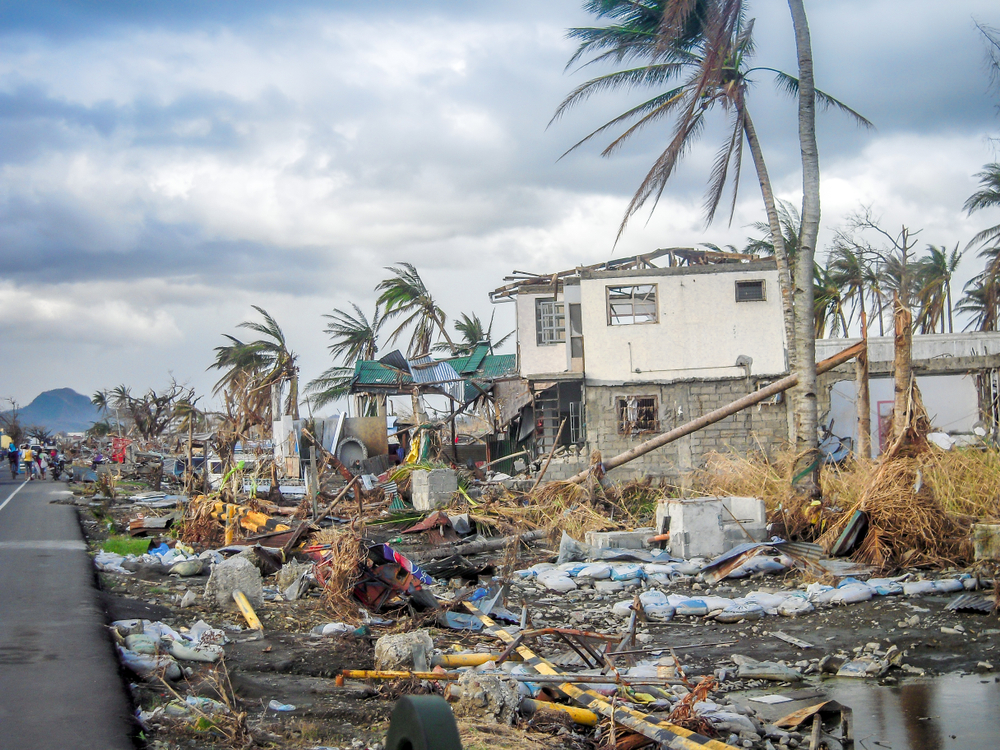
If you rent in Georgia, hurricane damage isn’t only a coastal concern. Tropical storms and hurricane remnants can bring high winds, heavy rain, and other damaging conditions well inland.
Renters insurance may cover some hurricane-related damage, but not all of it. The biggest distinction is usually how the damage happened. Wind-related damage may be covered, while flooding from storm surge or rising water usually requires separate flood insurance.
Here’s what Georgia renters should know before hurricane season.
Key Takeaways
- Renters insurance may cover hurricane damage to personal belongings when it results from a covered event, such as wind, hail, lightning, or fire.
- Standard renters insurance doesn’t cover flooding from storm surge, overflowing waterways, or rising groundwater.
- Renters insurance covers your belongings, not the physical structure of your rental property.
- Additional living expenses coverage may help with certain extra costs if a covered loss makes your rental temporarily uninhabitable.
- Coverage amounts, the amount you pay out of pocket before coverage applies, and exclusions vary, so review your policy before a storm approaches.
How Renters Insurance Handles Hurricane Damage in Georgia
Renters insurance doesn’t usually treat a hurricane as one single type of damage. Instead, your insurer looks at what caused the loss.
A typical renters policy may cover certain perils associated with hurricanes and tropical storms, such as wind, hail, lightning, fire, or falling objects.
For example, if strong winds break a window and damage your furniture or electronics, your renters insurance may cover the damaged belongings, subject to your policy terms, limits, and deductible.
Flooding is different.
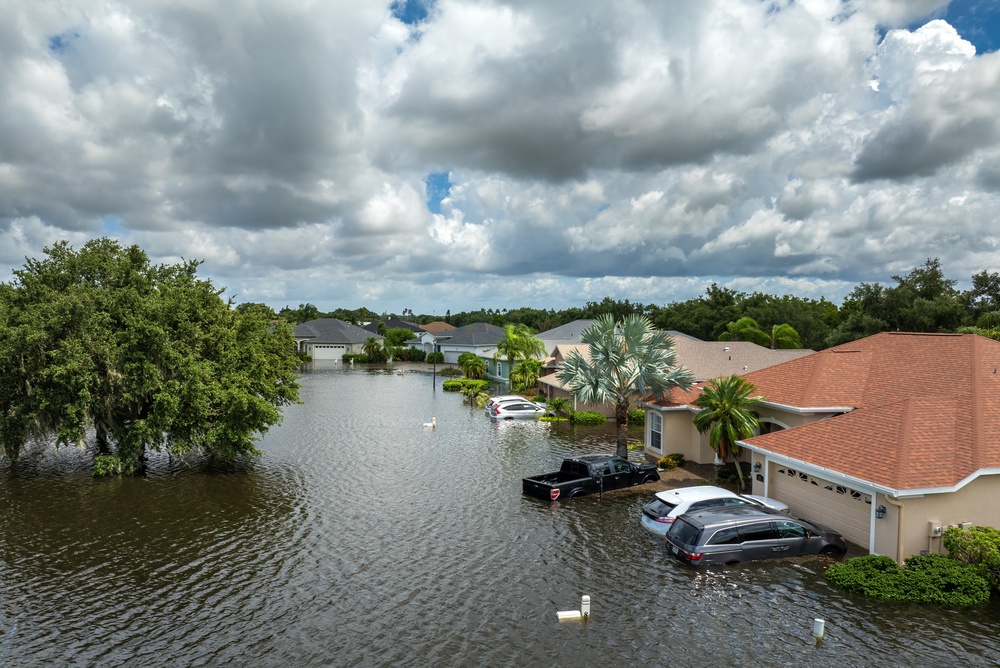
If storm surge, an overflowing creek, or rising groundwater enters your rental, a standard renters policy most likely won’t cover damage caused by that flooding. You may need separate flood insurance for that protection.
Your landlord’s insurance is responsible for the building itself, while your renters policy is designed to protect your personal belongings and provide other coverage outlined in your policy.
What Does Renters Insurance Cover During a Hurricane?
During a hurricane or tropical storm, renters insurance may cover damage to your belongings caused by covered perils. Understanding what Georgia renters insurance covers can help you see how protection may apply to your belongings, liability, and other covered losses.
Depending on your policy, that may include:
- Wind damage to personal belongings
- Damage caused by falling trees or branches
- Certain losses involving theft after a covered event
For example, if hurricane-force winds damage part of your rental and rain enters through the opening, damaging your furniture, your policy may cover that loss depending on its terms and the circumstances.
Theft can also become a concern after a major storm, particularly if a rental property is damaged or temporarily vacant. Understanding renters insurance theft coverage can help clarify when your policy may cover stolen belongings.
Your policy may also provide coverage for personal belongings temporarily away from your home, although limits can apply.
Additional Living Expenses After a Hurricane
Renters insurance may help with additional living expenses if a covered loss makes your rental temporarily uninhabitable.
Depending on the policy, this coverage may help with reasonable increases in expenses such as:
- Other necessary expenses related to displacement
This doesn’t mean the policy pays every expense while you’re away from home. Coverage limits and conditions apply, and the reason you were displaced matters.
For example, if covered wind damage makes your apartment uninhabitable, additional living expenses coverage may apply. If you’re displaced solely because of flooding, standard renters insurance won’t provide the same protection because flooding is typically excluded.
What Hurricane Damage Isn’t Covered for Georgia Renters?
Knowing what renters insurance doesn’t cover is just as important as understanding what it does.
Flood Damage
Flooding is one of the biggest hurricane-related exclusions to understand.
Standard renters insurance doesn’t cover damage caused by:
- Overflowing rivers or creeks
- Water accumulating at ground level and entering the rental
This distinction is especially important for renters in coastal or flood-prone areas of Georgia.
Separate flood insurance may be available to protect your personal belongings from certain flood losses.
Sewer or Drain Backup
Water or sewage backing up through a drain may also be excluded from a standard renters policy.
Some insurers offer optional coverage for water or sewer backup, so check your policy or ask your agent whether this protection is available.
Long-Term Damage and Maintenance Problems
Renters insurance isn’t designed to cover damage caused by long-term deterioration, repeated seepage, or maintenance problems.
If you notice a roof leak, damaged window, plumbing issue, or another maintenance problem, report it to your landlord promptly rather than waiting for the next storm to reveal how much worse it can get.
Structural Damage
Renters insurance protects the renter’s covered belongings, not the rental building itself.
Damage to the roof, walls, windows, and other structural parts of the building is the landlord’s responsibility and would typically fall under the property owner’s insurance.
Does Renters Insurance Cover Water Damage From Heavy Rain?
Sometimes. What matters is how the water entered your home.
Renters insurance may cover certain water damage when it results from a covered event. Since the source of the water matters, understanding when renters insurance covers water damage can help clarify which situations may or may not be covered.
Suppose hurricane winds damage the roof of your apartment building, and rain enters through the opening and damages your belongings. Depending on your policy, the damage to your belongings may be covered because it resulted from a covered wind event.
Now consider a different situation. Heavy rain causes water to accumulate outside the building until it rises through the doorway and into your apartment. That would generally be considered flooding and wouldn’t be covered by a standard renters policy.
The difference can seem small when everything is wet, but from an insurance perspective, the source of the water matters.
Hurricane and Tropical Storm Risks Georgia Renters Should Know
You don’t have to rent directly on the Georgia coast to experience hurricane-related damage.
Coastal communities may face storm surge and stronger winds, while tropical systems moving inland can still bring heavy rain, wind, falling trees, and power outages to other parts of the state.
Renters in the Atlanta area, for example, can still experience severe weather from tropical systems. If you’re renting in the metro area, understanding renters insurance in Atlanta can help you evaluate your personal property and liability needs.
Other hurricane-related risks can include:
- Falling trees and branches
- Water entering through storm-created openings
- Theft following property damage
A landlord’s policy won’t replace your furniture, electronics, clothing, and other personal belongings after a covered disaster. Understanding the potential cost of skipping renters insurance in Georgia can help you see why having your own coverage matters.
How Much Renters Insurance Coverage Do You Need for Hurricane Season?
There isn’t one coverage amount that works for every Georgia renter.
Start by taking inventory of what you own. Walk through your rental and consider the value of your:
- Jewelry and other valuables
- Other personal belongings
Then compare that amount with your personal property coverage limit.
You should also know whether your policy covers belongings at replacement cost or actual cash value.
Replacement cost coverage bases a covered claim on the cost of replacing an item with a comparable new one, subject to policy terms. Actual cash value typically accounts for depreciation.
Review your additional living expenses coverage as well. If a covered hurricane loss made your rental uninhabitable, consider what temporary housing and other additional expenses could look like for your household.
How to Prepare Your Renters Insurance and Belongings Before Hurricane Season
The best time to figure out what your policy covers is before a storm is heading toward Georgia.
Create a Home Inventory
Take photos or videos of your belongings room by room. Save receipts, serial numbers, or other documentation for higher-value items when available.
Store your inventory somewhere you can access even if you need to evacuate.
Review Your Policy
Check:
- Replacement cost or actual cash value coverage
- Additional living expenses coverage
- Limits for certain valuable items
- Available optional coverage additions
Your deductible can affect how much you pay out of pocket for a covered claim, so make sure you understand how renters insurance policy deductibles work before hurricane season.
If something is unclear, ask your insurance agent before storm season.
Protect Important Documents
Keep copies of insurance documents, identification, and other important records in a secure location. Digital copies can provide a useful backup if physical documents are damaged or left behind during an evacuation.
Prepare for an Evacuation
Know your local evacuation routes and follow instructions from emergency officials.
If you evacuate, take essential documents, medications, and irreplaceable items when it’s safe and practical to do so.
Consider Flood Coverage
If your rental is in an area vulnerable to flooding, ask about separate flood insurance before hurricane season.
Flood policies can have waiting periods before coverage takes effect, so don’t assume you can wait until a storm is approaching to buy coverage.
What About Your Car During a Hurricane?
Renters insurance protects your covered personal belongings, not the vehicle itself.
If a hurricane damages your car through flooding, falling objects, wind, or another weather-related event, whether your auto policy covers the damage may depend on whether it includes comprehensive coverage.
Understanding comprehensive car insurance in Georgia can help you see how your auto coverage may respond to storm damage.
Personal belongings inside your vehicle may be handled differently from damage to the vehicle itself, so review both policies if you regularly keep valuable items in your car.
How Southern Harvest Insurance Helps Georgia Renters Get Hurricane-Ready
Hurricane coverage can get confusing quickly, especially when wind, rain, flooding, and temporary displacement are all part of the same storm.
Southern Harvest Insurance can help Georgia renters compare renters insurance options and understand how policies may handle hurricane-related losses.
An agent can help you review your personal property limits, deductible, additional living expenses coverage, and other policy features. This can give you a clearer picture of your protection before severe weather arrives.