Going solar in Georgia is a smart way to reduce energy costs and make a major investment in your property. But before or after installing solar panels, many homeowners ask the same question: Will my home insurance cover solar panels if something goes wrong? The short answer is usually yes, but the details matter.
How Does Homeowners Insurance Cover Solar Panels in Georgia?
Most standard home insurance policies in Georgia will cover solar panels that are permanently attached to your home as part of dwelling coverage. Standard homeowners insurance policies generally protect the core structure of a home against covered perils like fire, lightning, and hail, and solar energy systems bolted to your roof typically qualify.
Most homeowners insurance policies cover solar panels as they are considered a permanent attachment to the home. Insurance coverage typically extends to common perils listed in a Georgia HO-3 policy, including windstorm, vandalism, theft, and falling objects.
However, you should verify whether your existing coverage automatically includes solar systems or if your insurance company requires an endorsement after installation.
Rooftop vs. Ground-Mounted Solar Panels: How Coverage Can Differ
The location of solar panels significantly affects their insurance coverage. Rooftop panels are generally considered a permanent part of the home, while ground-mounted panels are treated as separate structures that may require different insurance considerations.
Rooftop Solar Panels on Your Georgia Home
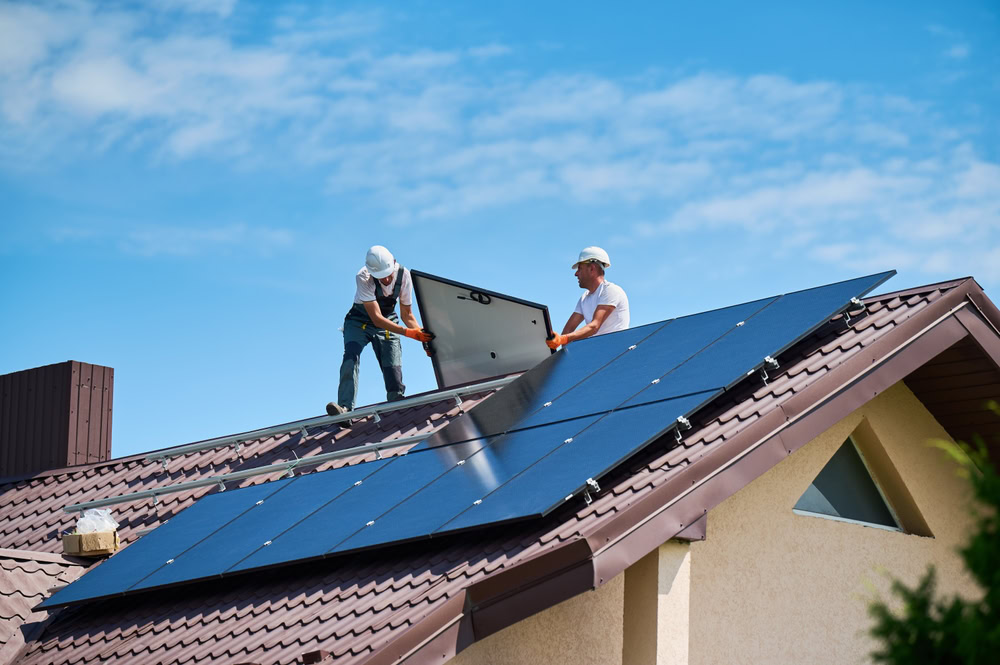
Rooftop solar panels are typically covered under dwelling coverage once the installation process is complete and inspected. Insurers often classify them as part of the building, similar to a new roof or attached deck. For Georgia homes, dwelling limits often range from $200,000 to $500,000 or more.
Most carriers will cover storm damage, falling trees, and fire affecting rooftop arrays in Atlanta, Augusta, Macon, Savannah, Columbus, and other Georgia cities, subject to your policy deductible. However, some Georgia insurers may apply special wind or hail deductibles to roofs and extend those to roof-mounted panels.
If panels materially increase your home’s replacement value, the dwelling coverage limit should be updated so there is enough coverage to rebuild and replace the solar panel system.
Ground-Mounted Solar, Barns, and Solar Carports
Ground-mounted solar panels, pole-mounted arrays, or panels on detached garages, barns, or carports usually fall under other structures coverage rather than dwelling coverage. This structures coverage typically provides limits around 10% of your dwelling limit.
Example: A $300,000 dwelling limit means only about $30,000 available for other structures, which may not fully protect a large ground-mounted system costing $25,000–$40,000, plus any fences, sheds, or detached garage on the property.
Ground-mounted solar panels may not be covered at all under a standard homeowners policy, and homeowners might need to add an insurance rider or purchase a separate policy to ensure full protection.
What Types of Damage to Solar Panels Are Typically Covered in Georgia?
Standard Georgia homeowners insurance is usually “open peril” for the dwelling, meaning solar panels are typically covered for most sudden, accidental damage unless specifically excluded.
Common covered perils include:
- Lightning strikes and fire
- Hail damage
- Severe thunderstorm winds
- Tornado-related wind damage
- Falling tree limbs
- Theft and vandalism
Typically excluded:
- Normal wear and tear
- Gradual deterioration and efficiency loss
- Manufacturer defects
- Pest damage (squirrels, birds)
- Flood and earthquake (require separate policy)
Homeowners should verify their insurance policy regarding coverage for damage to solar panels from common hazards such as hail and wind. Some insurers may exclude solar panels from hail or wind coverage in high-risk areas, necessitating confirmation with the insurance provider.
Georgia Weather Risks: Hail, Thunderstorms, and Tornadoes
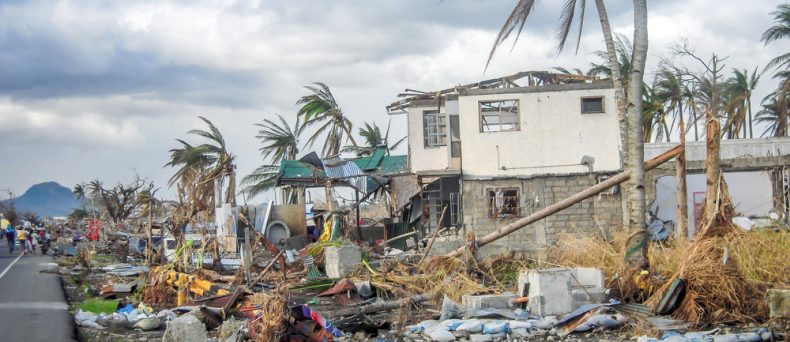
Georgia experiences 50 to 75 thunderstorm days annually, with North Georgia highly prone to hailstorms and the central and southwest regions frequently bearing the brunt of the state’s 30 to 35 yearly tornadoes. Most policies will cover hail and wind damage, but some carriers use separate wind/hail deductibles, typically 1%–5% of dwelling coverage, in storm-prone areas.
Review whether your policy has any special wind, hail, or named storm exclusions that could leave rooftop or ground-mounted solar under-protected.
How Solar Panels Can Affect Your Homeowners Insurance Premiums
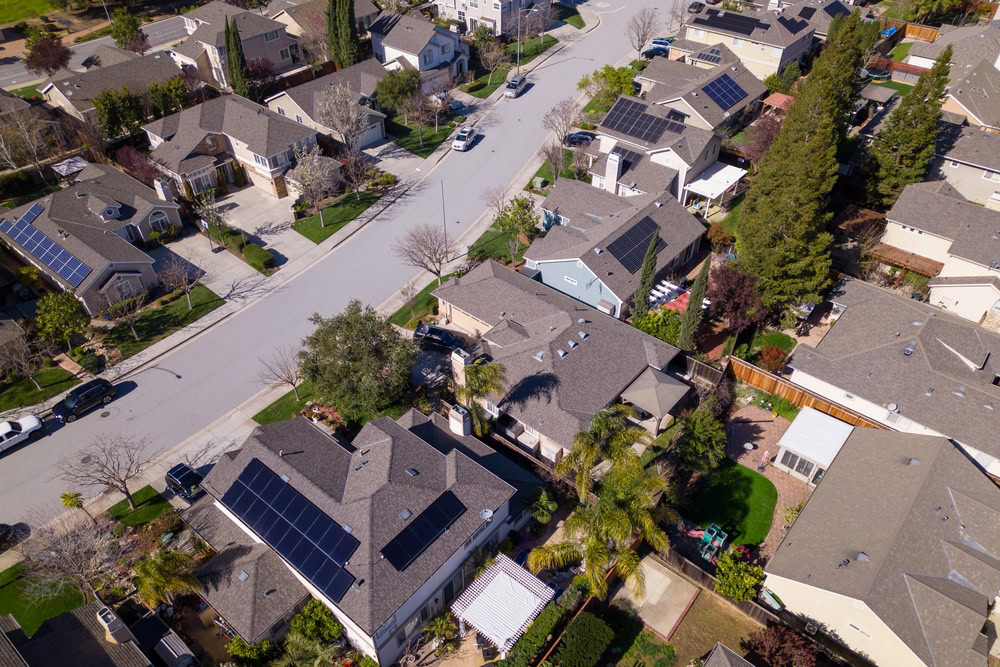
Installing solar panels can lead to an increase in homeowners insurance premiums because they raise the overall replacement cost of the home, which insurers must account for. Solar panel installations typically increase a property’s overall replacement cost, necessitating a review of coverage limits with an insurance agent.
Homeowners can expect their insurance premiums to increase anywhere from a few extra dollars a month to a few hundred dollars a month after installing solar panels, depending on the specifics of their property and state. However, this modest premium increase is often far outweighed by long-term energy savings of $30,000–$100,000 over a 25-year panel lifespan.
Georgia homeowners who bundle auto and home insurance with the same carrier may offset some cost increase through multi-policy discounts of 10%–25%.
Adjusting Coverage Limits and Deductibles After Going Solar
When solar panels are added to a home, it is advisable to review and potentially raise the coverage limits on homeowners insurance to ensure adequate protection for the increased value of the property. Installation of solar panels alters a property’s value, risk profile, and coverage requirements.
Simple steps to follow:
- Get the total installed cost from your solar contractor
- Share it with your insurance agent
- Ask whether dwelling and other structures limits should be increased
- Re-evaluate your deductibles
Homeowners should review their insurance policy to ensure that the coverage limits are sufficient to cover the replacement cost of solar panels, which can be significant. Schedule annual policy reviews, especially after adding batteries or expanding arrays.
Owned vs. Leased Solar Panels: Who Needs to Carry the Insurance?
Insurance responsibilities differ significantly between owned and leased solar panel systems. If you own the system through cash purchase or financing, the panels are typically treated as part of the property and should be covered under your homeowners insurance policy.
If you lease solar panels, the leasing company typically owns them and is responsible for their maintenance and insurance coverage. Homeowners insurance generally does not cover leased solar panels, as the responsibility for insurance typically falls on the leasing company.
Checking Lease Agreements and Insurance Requirements
Before leasing solar panels, review the lease agreement to understand the insurance responsibilities and coverage for potential damage to your roof.
What to look for in your lease:
- Who insures the panels
- How roof damage is handled
- Whether you must pay a deductible if the leasing company files a claim
- Minimum liability limits required (often $300,000–$500,000)
Even if leased panels are insured by the solar company, you still need adequate dwelling coverage for roof or structural damage connected to the installation. Send a copy of your lease to Southern Harvest Insurance so coverage responsibilities are clearly documented.
Practical Steps for Georgia Homeowners Before and After Solar Installation
Careful planning helps avoid coverage gaps, unexpected premium jumps, and claim issues.
Before You Install Solar in Georgia
- Call your insurance agent early to ask whether your current insurer will cover solar panels
- Confirm how rooftop versus ground-mounted systems are treated
- Get a written estimate including total system cost, panel brand, and inverter type
- Verify local permit and inspection requirements
Home insurance typically does not cover installation damage caused by contractors, indicating the importance of hiring a contractor with robust insurance.
After Installation Is Complete
- Send final invoices, photos, and permit sign-offs to your insurance agent
- Update dwelling coverage limits to match full replacement cost
- Ask specifically about claim procedures for wind, hail, or falling tree damage
- Set annual reminders to review your policy