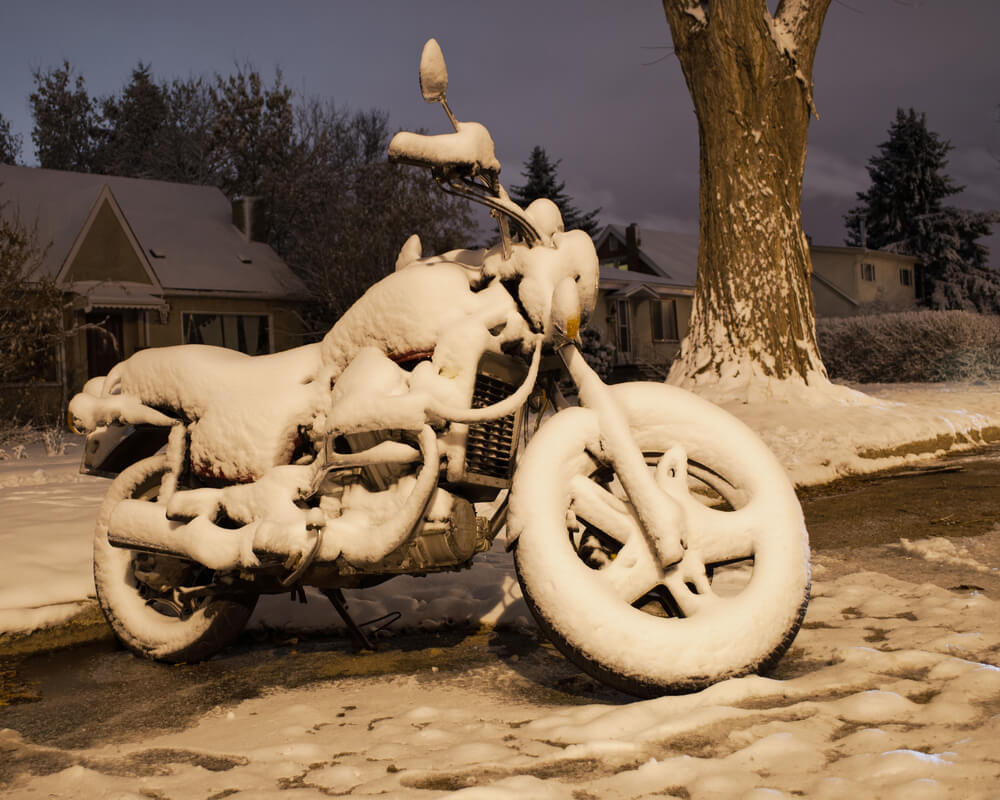
As winter approaches and riding season slows down, many motorcyclists question whether it makes sense to cancel their motorcycle insurance for the colder climate. While canceling might appear to reduce costs, doing so can expose your bike and your wallet to unnecessary risks. Instead, many riders benefit from seasonal or lay-up policies that reduce premiums while maintaining essential protection.
Motorcycle insurance companies understand the needs of seasonal riders and often offer flexible policies designed for reduced winter use. However, not all insurers support true lay-up coverage, making it important to understand your available options and how coverage works during the off-season.
Understanding Motorcycle Insurance Coverage
Before deciding whether to cancel insurance for the winter months, it’s important to understand the primary components of motorcycle coverage:
- Liability coverage (required in most states) protects you if you cause injury or property damage. This coverage typically cannot be dropped even if the motorcycle is stored, depending on state laws.
- Comprehensive coverage protects your motorcycle while it’s not being ridden, including theft, vandalism, fire, weather damage, and other non-collision incidents.
- Collision coverage pays for replacement costs or damage to your motorcycle from a crash, regardless of fault. Many riders choose to pause or reduce collision coverage during months when the bike is never used.
Some insurers offer winter lay-up options that reduce coverage during the off-season while retaining essential protection, especially comprehensive coverage. Maintaining continuous coverage also helps avoid rate increases and preserves valuable longevity discounts.
Why Motorcycle Comprehensive Coverage Matters in Winter
A bike stored for the winter is still at risk. Comprehensive coverage protects against:
- Theft while stored in a garage, shed, or storage unit
- Fire or smoke damage
- Vandalism
- Storm-related damage, falling objects, or flooding
- Rodent damage
- Natural disasters
These risks exist regardless of whether the motorcycle is actively ridden. For many riders, keeping comprehensive coverage through winter is the most cost-effective way to stay protected while minimizing premiums. Some insurers even let riders suspend collision coverage while maintaining comprehensive protection.
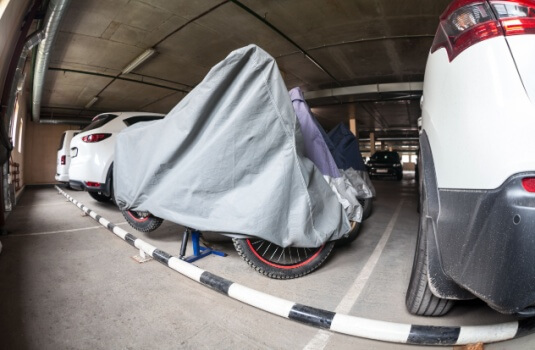
Should You Cancel Motorcycle Insurance in the Winter?
Canceling a motorcycle insurance policy entirely can leave riders unexpectedly vulnerable. Without coverage, you lose financial protection against theft or damage that may occur even in storage. Canceling a policy can create a lapse in insurance, which often results in higher premiums when coverage is reinstated.
There are cost-saving alternatives to canceling, such as lay-up policies or adjusting deductibles, that provide savings without eliminating necessary protection.
Before making a decision, evaluate:
- Your motorcycle’s storage conditions
- Local weather risks
- State regulations regarding minimum required coverage
- Whether your lender requires year-round coverage (common if the bike is financed)
- Your long-term insurance goals and premium stability
Higher deductibles, discounts for bundling with other policies, such as auto insurance, and anti-theft features can also reduce costs without sacrificing essential protection.
How to Cancel a Motorcycle Insurance Policy
If you do choose to cancel your motorcycle insurance, the process typically involves:
- Contacting your insurance provider to state your intention and the effective cancellation date.
- Providing written notice, if required by your insurer.
- Reviewing policy terms to understand any cancellation fees, penalties, or minimum coverage requirements.
- Verifying future rate implications that may occur due to coverage gaps.
Clear communication with your insurance carrier helps ensure you follow company procedures and maintain legal compliance.
Motorcycle Insurance Costs, Discounts, and Potential Fees
Motorcycle insurance prices depend on factors such as your riding history, chosen deductibles, and coverage limits. Winter can be a great time to adjust these factors, take a motorcycle safety course, or install anti-theft devices to qualify for additional discounts.
However, be aware of early cancellation fees, which can be charged as a flat fee or as a percentage of the remaining premium. These charges may reduce or eliminate any savings from canceling your policy.
Comparing motorcycle insurance rates from multiple insurers and reviewing available discounts can help you find affordable options without sacrificing necessary winter protection.
Winter Motorcycle Insurance That Fits Your Needs
Deciding whether to cancel your motorcycle insurance during the winter requires balancing savings with year-round potential risks. Seasonal motorcycle insurance or lay-up insurance can offer a smart compromise by reducing costs while maintaining essential coverage, especially comprehensive. Motorcycle riders benefit from evaluating storage conditions, state requirements, existing discounts, and their insurer’s flexibility before making a decision.
Consulting with an insurance professional and comparing policies can help you find an option that keeps both your motorcycle and finances protected throughout the winter months.