Dreaming of growing your own herbs, flowers, or vegetables but don’t own your home? The good news is that apartment gardening in Georgia is easier than you might think. Whether you have a sunny balcony, a small patio, or simply a bright window, there are plenty of ways to create a beautiful and productive garden while renting.
Georgia renters can grow many herbs, vegetables, and flowers in containers, even with limited outdoor space. Before you get started, understand your lease, choose the right plants, and select gardening methods that work for your living situation. Whether you prefer container planting or have access to garden beds, you can grow outdoor plants successfully.
These gardening tips can help you make the most of a balcony, patio, or other small growing space.
Can Renters Have a Garden in Georgia?
In many cases, yes. Renters throughout Georgia successfully grow flowers, herbs, vegetables, and decorative plants in apartments, townhomes, and rental houses. Container gardening is often a practical option for renters because plants can be moved without making permanent changes to the property.
Before planting, review your lease agreement and any community guidelines. Some landlords allow container gardens on patios and balconies but may restrict permanent landscaping changes or large garden structures. If you’re unsure, ask your landlord for permission before making any modifications to the property.
Container gardening is often the easiest solution because it allows you to grow so many potted plants, including edible plants and drought-tolerant plants, while being able to move them when it’s time to relocate. Using square or rectangular containers can maximize space better than round pots or many terracotta pots scattered about.
Review Your Lease Before You Plant
Every rental property has its own rules regarding outdoor spaces. Before purchasing supplies, check whether your lease addresses:
- Water drainage requirements
- Permanent landscaping changes
- Vertical gardening structures
Having a conversation with your landlord can help avoid misunderstandings and may even open the door to additional gardening opportunities. Getting permission in advance can help you avoid problems with your landlord or property manager later.
Best Plants for Georgia Renters
Choosing the right plants can make apartment gardening significantly easier.
Vegetables That Thrive in Georgia
Many vegetables grow exceptionally well in containers, including:
Herbs for Small Spaces
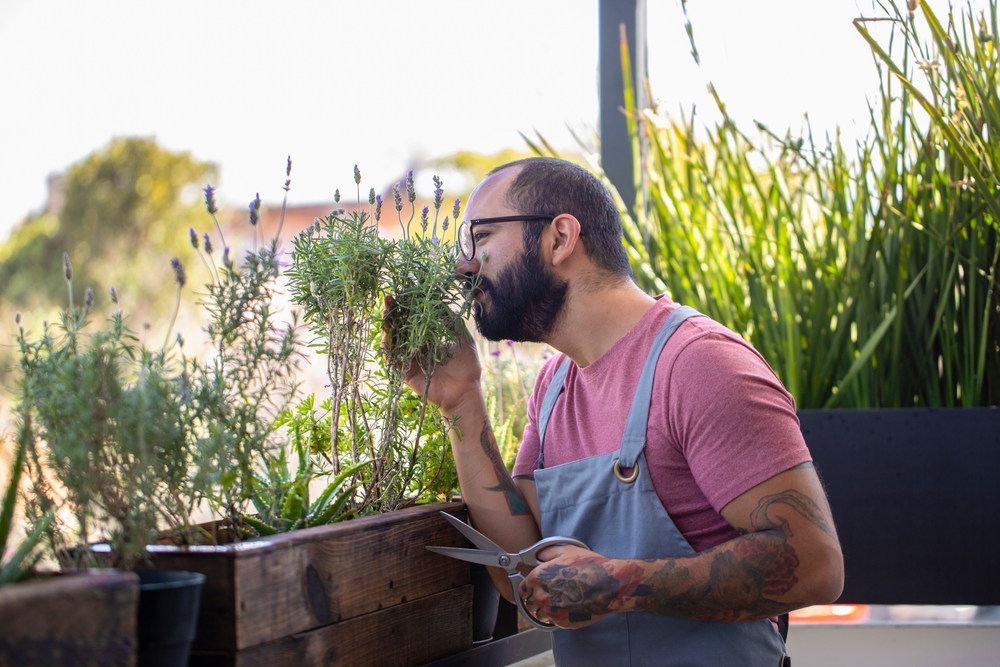
Herbs are perfect for apartment gardeners because they require minimal space and grow well in containers:
Native Georgia Flowers and Annual Flowers
Native plants often require less maintenance and support local pollinators:
Container Gardening for Renters
Container gardening for renters is one of the most flexible and popular ways to grow plants in limited spaces.
Using containers allows you to:
- Move plants as sunlight changes
- Take your garden with you when moving
- Avoid damaging landscaping
- Grow plants on balconies and patios
- Control soil quality more easily
When selecting containers, choose pots with proper drainage holes to prevent root rot. Many gardeners prefer terracotta pots for their breathability, though they dry out faster in Georgia’s heat. Use a quality potting mix and choose a container that’s large enough for the plant’s root system. Containers dry out faster than in-ground garden beds, so watering plants regularly with a garden hose or watering can is essential.
Container gardening works especially well for tomatoes, peppers, herbs, flowers, and leafy greens. Rotating plant pots can help prevent plants from leaning towards the light source.
Match the container size to the plant. Larger vegetables generally need more room for root development than herbs and smaller plants.
Balcony Gardening Tips for Apartment Dwellers
A balcony can become a productive growing space with a little planning.
When creating a balcony garden:
- Observe how much sunlight your balcony receives each day.
- Use lightweight containers when possible.
- Protect plants from strong winds.
- Consider self-watering planters for convenience.
- Group plants with similar water needs together.
- Use square or rectangular containers to maximize space.
Even a small balcony can support herbs, flowers, and vegetables throughout much of the year.
Vertical Gardening Ideas for Small Spaces
Limited floor space doesn’t mean limited gardening opportunities.
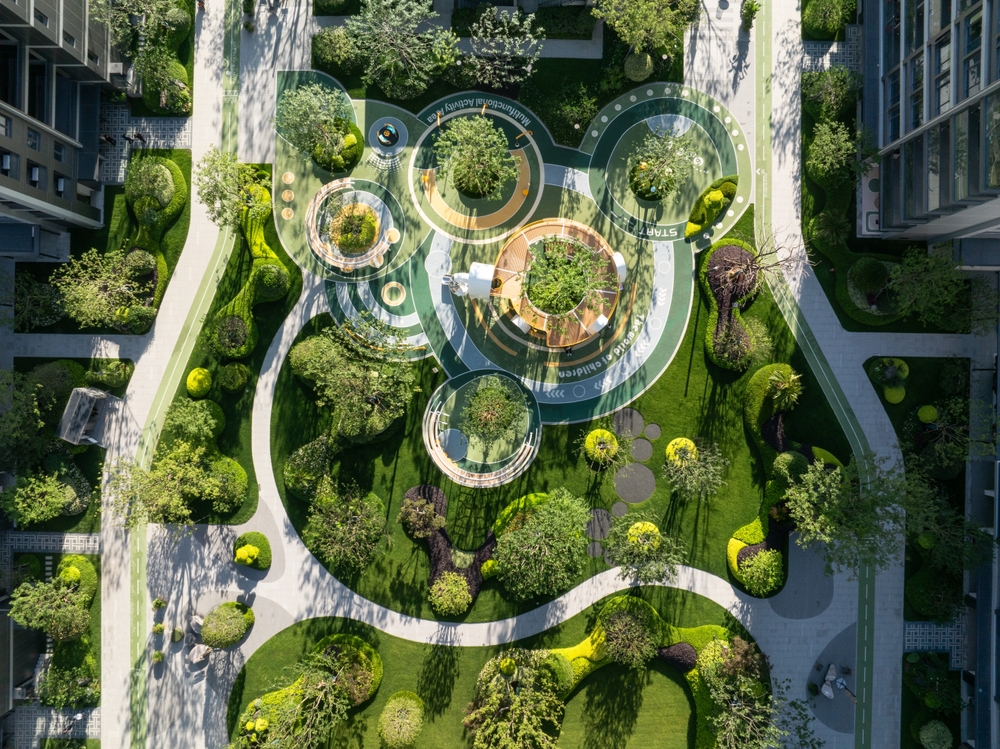
Vertical gardening allows renters to maximize growing space by utilizing walls, trellises, shelving, and hanging planters. This method works particularly well for:
Before installing any vertical structures, confirm they’re permitted under your lease agreement.
Sustainable Gardening Practices
Gardening is a great opportunity to adopt environmentally friendly habits.
Consider these sustainable gardening tips:
Compost Kitchen Scraps
If your lease or community rules allow it, a small composting system can help reuse some food scraps and provide material for your plants.
Collect Rainwater
If permitted by your landlord, rain barrels or collection containers can help reduce water usage.
Plant for Pollinators
Flowers such as coneflowers, bee balm, and butterfly weed attract beneficial pollinators and support local ecosystems.
Choose Native Plants
Native Georgia plants often require less water and maintenance than non-native varieties.
Community Gardens in Georgia
If your apartment lacks outdoor space, community gardens offer another way to enjoy gardening.
Many Georgia cities provide community garden programs where residents can rent small plots to grow vegetables, herbs, and flowers. These gardens also create opportunities to learn from experienced gardeners and connect with neighbors who share similar interests. Community gardens can also provide opportunities to learn from other gardeners and grow plants when you don’t have suitable space at home.
Search your local city or county website to find community garden opportunities near you.
Preparing Your Garden for Georgia’s Seasons
Planting dates vary across Georgia. Spring planting can begin earlier in South Georgia and later in North Georgia, while fall planting dates also vary by region. Check local planting recommendations before deciding when to start vegetables or seasonal plants.
Georgia’s growing conditions vary by region and season. Pay attention to your plants’ sunlight and watering needs, especially during hotter weather.
Summer Gardening
During Georgia’s hot summers:
- Water plants early in the morning using a garden hose or watering can.
- Add organic mulch to retain moisture
- Watch for heat stress and pests like aphids and whiteflies
- Use shade cloths to protect plants during peak sunlight
- Move containers if necessary
- Remove dead plants promptly to maintain garden health and appearance
Winter Gardening
During cooler months:
- Bring sensitive plants indoors
- Cover vulnerable plants during freezes
- Choose cool-season plants appropriate for your part of Georgia.
- Plant bulbs in pots or garden beds for spring blooms
Adapting your gardening routine throughout the year can help your plants stay healthy and productive.
Are Plants Covered by Renters Insurance?
Renters insurance can help protect your personal belongings against covered losses, but coverage depends on the policy and cause of damage. Gardening tools, planters, and other equipment you own may fall under personal property coverage.
Don’t assume that living plants or every type of outdoor property is covered. Review your policy or ask your insurance agent what coverage applies to your gardening items.
Review your policy carefully and speak with your insurance agent to understand what protection is available for your belongings.