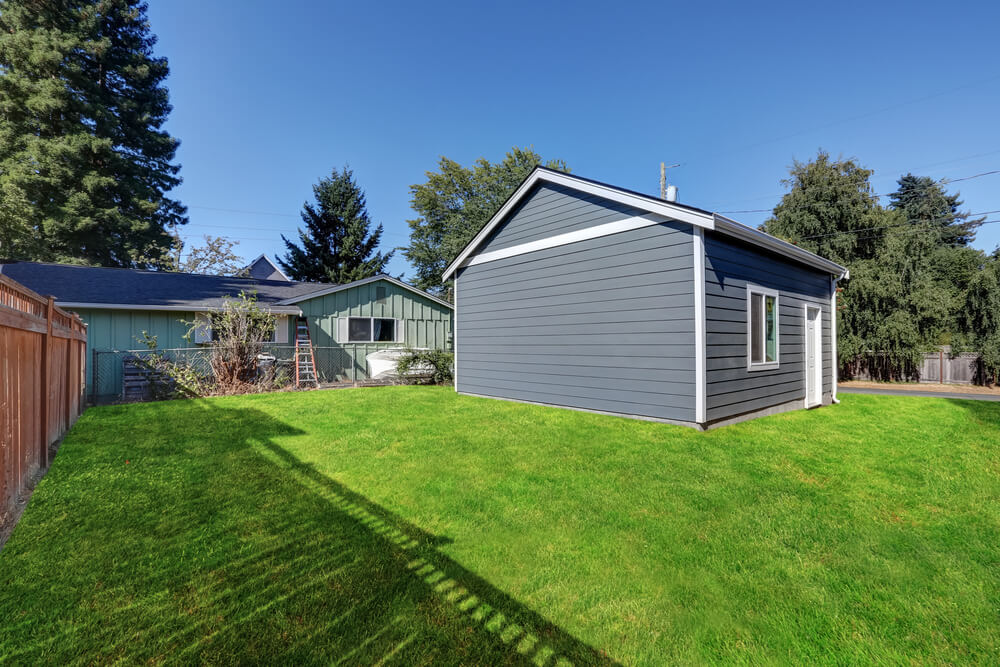
If a Georgia storm sends a tree crashing through your detached garage roof, you’ll likely wonder whether your homeowners insurance policy will pay for repairs. The short answer: yes, most standard policies do cover detached garages, but you should not assume your detached garage is automatically covered as a separate structure unless it is specifically listed or clearly included in your policy.
In a typical HO-3 homeowners policy, a detached garage is considered a ‘separate structure’ under Coverage B (other structures coverage), not Coverage A (dwelling coverage). Policies often differentiate between attached and detached structures, which can impact coverage limits and how claims are handled. Coverage for detached garages is typically set at 10% of the dwelling limit in homeowners insurance policies.
This means your garage is usually covered for sudden, accidental events like fire, windstorm, hail, theft, or vandalism. However, damage due to wear and tear, neglect, or pest infestations is not covered by homeowners insurance for detached garages. The same deductible that applies to your primary dwelling usually applies here too.
However, the coverage amount is limited. If your garage is a finished multi-bay workshop or includes upgraded electrical and plumbing, the default limit may not be enough. Always review your homeowners policy closely to ensure that your detached structures are specifically listed or clearly included in your coverage.
Detached vs. Attached Garages
The distinction between attached and detached garages directly affects how your insurance company handles a claim.
An attached garage shares a roofline or wall with your house. It’s insured under dwelling coverage (Coverage A) and has access to your full dwelling limit, often hundreds of thousands of dollars.
A detached garage is physically separated from your home, even if connected only by a breezeway. It’s insured under other structures coverage (Coverage B), which is generally set at 10% of your dwelling limit in homeowners insurance policies. Both types typically share the same policy deductible, but the coverage limits differ significantly.
For example, with a $350,000 dwelling limit, you’d have roughly $35,000 for all other structures. If a fire damages both an attached and detached garage simultaneously, the attached portion draws from the larger $350,000 pool while the detached structure is limited to that $35,000 cap. If you have multiple structures, such as a detached garage, shed, or greenhouse, you may need to increase your other structures coverage limit to ensure enough protection for all detached buildings.
What Is Other Structures Coverage (Coverage B)?
Other structures coverage is a standard part of most homeowners insurance policies and protects buildings and features on your property that aren’t physically connected to your home.
Common structures insured under Coverage B typically include:
- Detached garages and carports
- Storage sheds and garden sheds
- Gazebos and pergolas
- Barns and fences
- Retaining walls
- Driveways and walkways
- Small personal-use barns
Coverage B, or other structures coverage, is typically set at about 10% of your Coverage A dwelling limit by default. For example, if your home is insured for $300,000, your other structures coverage would be covered up to $30,000. A $400,000 home would provide $40,000 for all these structures combined. These structures are protected against the same named perils as your home, such as fire, lightning, wind, hail, theft, vandalism, and damage from falling objects.
If you find that the limit you have on your policy for your detached private structure is not enough, you will need to let your insurance company know to increase the limit of coverage.
When Is a Detached Garage Not Covered?
Not every type of loss to a detached structure triggers a payout. Standard exclusions can leave you responsible for repairs even when the structure itself is listed on your policy.
Common exclusions include:
- Wear and tear, gradual deterioration, rot, and rust
- Foundation settling or cracking unrelated to a covered peril
- Insect or vermin damage
- Flood and earth movement (earthquakes)
- Mold from non-peril sources
Business and rental use limitations:
Using your detached garage for business purposes, such as operating an auto repair shop or woodworking business, typically voids standard coverage. You’d need special endorsements or a commercial policy. Similarly, renting out a garage or converting it to a rental unit changes it to a rental exposure requiring a landlord or dwelling policy update.
If you are concerned about coverage exclusions related to detached garages, speak with your insurance agent to ensure you have the appropriate protection. If flood or earthquake risks concern you, discuss separate coverage options with your insurance provider.

What Is Covered Under Other Structures (Beyond the Garage)?
The same Coverage B protecting your detached garage also insures many additional structures on your property, including outbuildings such as sheds, pavilions, or other detached structures. Every item shares the single other structures limit, so multiple damaged structures in one storm all draw from that same pool.
If you add new detached structures to your property, it’s important to notify your insurance agent to adjust your coverage.
Gazebos, Pavilions, and Outdoor Living Spaces
Since the 2020 home-improvement boom, gazebos, pergolas, and pavilions have become common in Southeast backyards. These structures are covered for named perils like wind, fire, and falling trees, but they share your Coverage B limit with your garage.
If your property includes both a large detached garage and substantial outdoor structures, consider raising your other structures limit. Decorative lighting, fans, and built-in seating under these structures should factor into the replacement cost estimate.
Sheds, Barns, and Greenhouses
Small personal-use sheds, hobby barns, and backyard greenhouses are standard items under other structures coverage. Coverage applies only for personal or family use, not farming operations or commercial businesses.
Upgraded buildings with plumbing, electricity, or workshop finishes cost far more to rebuild than basic metal sheds. Document the size, materials, and improvements so your agent can set an appropriate limit.
Pools, Pool Houses, and Non-Building Structures
In-ground pools, permanently installed above-ground pools, and pool houses are usually insured under Coverage B. Damage from covered perils may be paid, but wear and tear or freeze damage from neglected maintenance typically is not.
Fences, driveways, and paths may be covered but often have sub-limits. Check your policy’s specific wording and use Southern Harvest’s home maintenance checklist to reduce avoidable damage.
Are the Contents of My Detached Garage Covered?
There’s a key difference between coverage for the structure and coverage for what you store inside.
Most homeowners policies include personal property coverage protecting belongings anywhere on premises, including tools, lawn equipment, and seasonal items you store in a detached garage. This coverage is typically 50-70% of your dwelling limit.
Important limitations:
- High-value items (expensive tools, bicycles, recreational gear) may have sub-limits of $1,500-$2,500
- Motor vehicles, motorcycles, and powered recreational vehicles parked in the garage require separate auto or specialty policies
- Business inventory or professional equipment often needs a separate in-home business endorsement
Always review your policy to ensure you are fully protected for the contents you store in your detached garage.
How to Adjust or Increase Coverage for a Detached Garage
Default other structures limits were often set years ago and may not reflect 2026 construction and labor costs, which have risen 20-30% in recent years.
Steps to evaluate your coverage:
- List all detached structures on your property
- Estimate replacement costs for each (including finished interiors, electrical, plumbing)
- Compare totals against your current Coverage B limit
- Contact your insurance agent to increase limits or schedule valuable structures separately. You may be charged an extra premium depending on the value and features of your detached garage.
Some insurers allow Coverage B increases to 20% or more for an additional premium. Others may recommend a separate policy for complex situations like garages with living quarters. If a detached garage is a high-value structure, it may require a separate policy or increased coverage limits.
How Deductibles and Claims Work for Detached Garages
The same homeowners deductible typically applies to detached garage claims as to your main home.
Example: If a storm causes $12,000 in damage to your detached garage and your policy has a $2,500 deductible, your insurer typically pays $9,500, assuming the loss falls within your Coverage B limit.
In the event of widespread incidents like hailstorms or tornadoes damaging both the house and garage, one deductible usually applies per occurrence. However, claim amounts remain limited separately by Coverage A and Coverage B caps.
Common home insurance claims often involve detached structures. Choose a deductible you can realistically afford out-of-pocket if your garage suffers significant damage, and keep in mind that specific cases or legal interpretations may affect how claims for detached garages are handled.