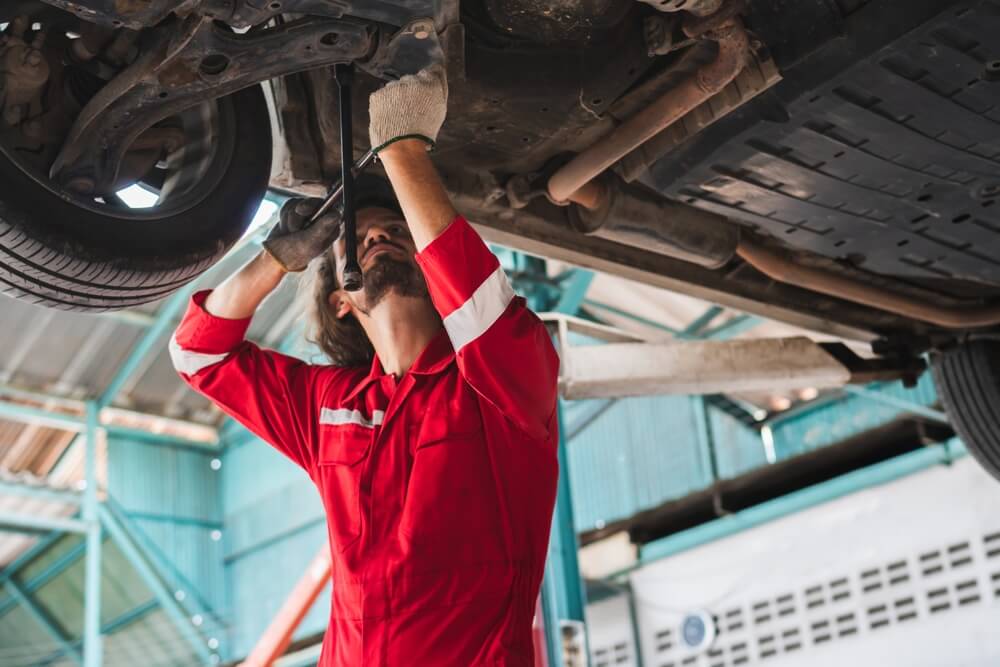
Car repair scams often involve deception or fraudulent advice and usually occur when an individual or a shop misrepresents the services needed, performs unnecessary repairs, or falsely increases prices. Always review the repair bill carefully for accuracy and transparency, as dishonest shops may manipulate the bill to inflate charges or hide costs.
Consumers should always ask what type of service they are paying for and do their research on a shop’s quality and reputation before committing. Always obtain written estimates that detail the exact repairs, parts, and labor costs before any work begins. Get first-hand estimates from multiple service centers and request detailed written records that explain the problem, solution, and any additional costs incurred.
If your car is in the shop due to an insurance claim and you think you may be the victim of fraud, let your auto insurance company know immediately. To avoid scams, choose a repair shop that offers a solid warranty on parts and labor, ideally at least 12 months or 12,000 miles. Look for certified technicians, such as those with ASE (Automotive Service Excellence), as this indicates a higher level of competence. Be aware that unscrupulous collision repair operators contribute to insurance fraud, including airbag fraud and inflating vehicle damage estimates. Ready to become a smarter car owner? Keep reading to discover how to spot these scams before they happen and keep your vehicle—and your budget—safe.
Common Car Repair Scams to Watch Out For in Georgia
1. Inflating Prices for Basic Parts and Services
Inflating prices for basic parts and services has become an all-too-common car repair extortion. Many garages add a markup to parts costs to cover their sourcing expenses, but these markups should be reasonable. Reasonable markups typically range from 10-25%, so it’s wise to compare prices online before agreeing to repairs. It’s an unethical business practice when shops inflate these costs beyond what’s fair, resulting in unsuspecting customers paying much more than they should for necessary repairs.
When selecting a mechanic, make sure you: read reviews, get recommendations from friends, or even take the time to speak with the mechanic directly to get a sense of how their business operates. Taking precautions can save you a lot of trouble (and money) down the line.
2. Diagnosing Fake Problems
Some dishonest repair shops may exaggerate or misdiagnose vehicle problems to justify unnecessary repairs. Some mechanics may even claim your engine could ‘blow’ if you don’t authorize immediate repairs, using scare tactics to pressure you. They’re also often successful at convincing that a vehicle needs an extensive repair job because it’s scary to hear from a “professional” that vital work is needed to prevent potential safety issues or accidents. When, in reality, they could be exaggerating or lying altogether.
Verify whether such warnings are true emergencies or just exaggerated threats. Car repair scams often rely on high-pressure tactics or technical jargon to confuse drivers into paying for unnecessary work. Reputable mechanics should explain repairs in plain language, avoiding vague or overly technical jargon.
3. Charging for Unnecessary Work
It’s easy for some mechanics to upsell or add unnecessary charges, especially to uninformed customers. This often involves inflating the time required to complete a repair, charging for tasks that were never performed, or recommending parts replacements that are not yet needed according to your vehicle’s maintenance schedule. For example, a mechanic may claim that a fluid flush is urgently required, even when your car manufacturer does not specify it at that service interval. These tactics exploit customers who may not be familiar with common scams or the typical lifespan of car components.
To protect yourself, always request a detailed written estimate that breaks down labor hours and parts costs. Comparing estimates from multiple shops can help you identify inflated labor charges or unnecessary repairs.
4. Using Second-Hand or Counterfeit Parts
Another common car repair scam is when mechanics use counterfeit or second-hand parts at inflated prices. To avoid this, always buy authentic, high-quality parts from reputable sources or directly from the manufacturer. It’s especially important to ensure that safety-critical parts like airbags and tires are genuine and new, as using counterfeit or salvaged parts can compromise your vehicle’s safety and violate regulations. Airbag fraud, for example, can involve dishonest repair shops installing salvaged or previously deployed airbags but billing the insurance company for a new one. If a mechanic insists on using parts that are more expensive than market prices for the job, it’s best to ask other mechanics for an estimate. Ask to see proof of the part’s quality or warranty information before agreeing to replace any part.
5. Inexpensive Parts/Labor Charged at Premium Rates
Unfortunately, con artists take advantage of uninformed customers for their own gain. They use inferior equipment or parts that have been salvaged from junk yards, and may cut corners when putting in these parts, leading to improper installation, poorer performance, and shorter lifespans than if quality parts were properly installed. Some dishonest collision repair shops may also offer to ‘bury the deductible’ by hiding the cost within the repair estimate, billing the insurer for original parts while actually using cheaper alternatives.
6. “Throw Away” Parts Left on Invoice
One very common trick is fraudulent mechanics leaving “throw-away” parts on your invoice that they claimed to have replaced, but they never actually did the job. This hustle costs consumers a lot of money and can cause major damage to the vehicle’s mechanical components in the future.
7. Charging for Car Repairs Never Performed
Charging for repairs never performed is one of the oldest tricks in the book, as highlighted in a recent story reporting on car repair scams and consumer advice. Common red flags include phantom problems, refusal to show replaced parts, and lack of written estimates. On the bright side, a quick diagnostic test should help determine what your mechanic actually did (or didn’t) do.
8. Pocketing Customers’ Deposits Without Doing Any Work
Customers should always be cautious when they bring their vehicles in for repair, as many dishonest mechanics are willing to pocket deposits without actually doing any work. If you encounter this type of dishonest business practice, report it to the Better Business Bureau.
9. Evading Warranty Requirements When Promised by Service Provider
An especially devious shakedown is when a service provider promises repairs or parts covered by warranty but then evades that commitment. This often happens when the markings of a product indicate that it is within its warranty date, but the provider takes steps to delay or deny coverage. To avoid this, always choose recommended garages or service providers, those suggested by trusted sources or verified partners, to ensure warranty commitments are honored.
10. Fabricating Damage to Inflate an Insurance Claim
Fabricating damage to inflate insurance claims is a serious problem and creates a huge financial burden on many unsuspecting drivers. To help avoid falling victim to fabricated damage scams, follow a regular maintenance schedule and schedule appointments with trusted providers for repairs and service. Caution should be taken at every step of the process to ensure you’re paying for services that were actually completed.
Red Flags to Watch Out For
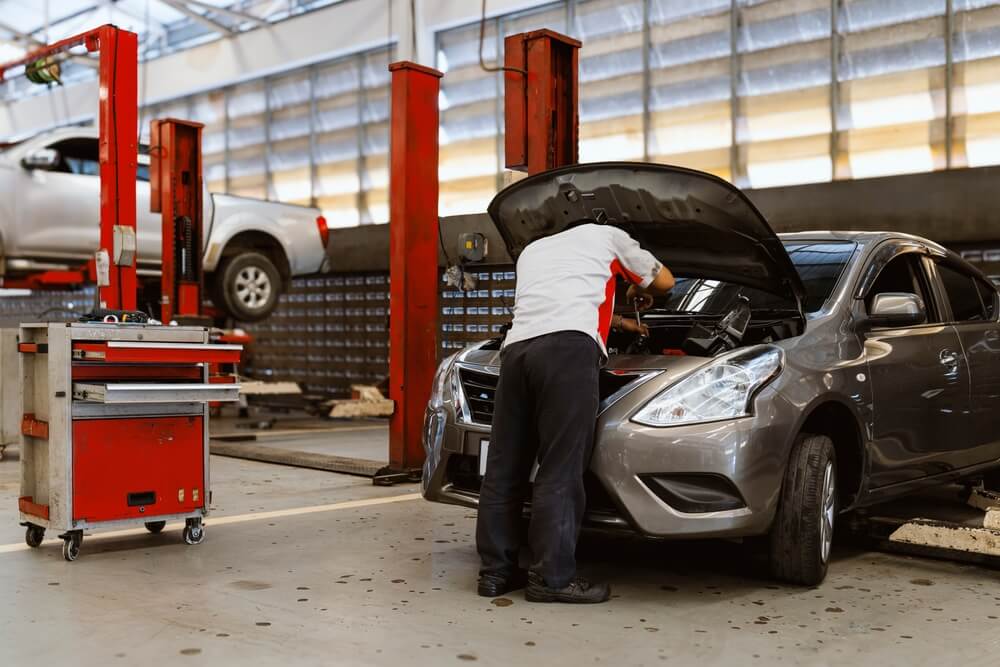
When it comes to car repairs, stay alert for red flags that could signal a scam. One of the most common warning signs is when a mechanic tries to sell you additional services or new parts, like a cabin air filter, without a clear explanation of why they’re needed. If you’re ever afraid that your car might be damaged if you don’t agree to these extra services, take a step back and do some research before making a decision. Don’t let anyone pressure you into expensive repairs or upgrades that don’t seem necessary.
Always ask for a detailed estimate and make sure you understand every line item. If something doesn’t add up, don’t be afraid to ask questions or even politely decline the service. A reputable mechanic will be happy to explain the problem and your options for fixing it, and they’ll stand behind their work. Watch out for vague descriptions, unclear pricing, or mechanics who seem more interested in charging you for services than actually solving your problem.
How to Avoid Car Repair Scams in Georgia
As a vehicle owner, be aware of common car repair scams, as they can cost you money and cause further damage to your vehicle. No one is expecting you to become an auto expert. However, always consult your vehicle’s manual to determine when fluids like engine oil, coolant, brake fluid, and transmission fluid need to be replaced or flushed. Using the correct fluids is essential for your car’s health and can help you avoid over-maintenance by following your manufacturer’s guidelines and not replacing them at every service visit.
Don’t ignore warning signs of brake wear, but do know that brakes needing to be replaced more often than they actually do is a misconception. Unscrupulous mechanics often claim brakes need replacement when they are still functional, exploiting the fact that checking brake wear can be difficult without disassembly. Wiper blades are another common upsell item, but they are easy to replace yourself and can save you money.
As a general rule of thumb, get to know your vehicle and the average costs of car maintenance if you want to avoid getting scammed. After all, most scammers target unsuspecting drivers who are not familiar with the workings of their automobile.
Protecting Yourself from Car Repair Scams
Car repair scams are a real concern for drivers, but you can protect yourself by staying informed and proactive. Know the types of scams out there, and approach every car repair with a healthy dose of online research and caution. Before scheduling an appointment, check reviews, leverage your network and ask for recommendations from friends or family, and make sure the shop has a solid security service or certifications. When you receive an estimate, review it carefully and don’t hesitate to ask questions about any services or parts, like transmission fluid changes, that you’re not sure are needed.
If you ever feel afraid or pressured, remember that you have the right to walk away and find a legitimate mechanic who will give you good advice and fair prices. Keep a checklist of your car’s maintenance and repair history, and always get a detailed receipt for any work performed. Address any problem immediately rather than ignoring it, as this can help you avoid more expensive repairs down the line. By taking these steps, you’ll be able to spot rip-offs, avoid unneeded repairs, and ensure your car and yourself are protected. Trust your instincts and choose a mechanic who stands by their work.
Protect Your Vehicle with Affordable Georgia Auto Insurance
At Southern Harvest Insurance, we make it easy for most people to find the right auto insurance coverage that fits their budget and needs. Whether you’re looking for basic protection or specialized coverage, our friendly agents are ready to help. Get a quick online quote today to compare rates from multiple carriers and find the best deal for you.
Have questions? Call us at 877-831-4677 or visit one of our convenient locations across Georgia for personalized assistance. With Southern Harvest, protecting your car and loved ones is simple, affordable, and hassle-free.