
If you rent an apartment, condo, or house, renters insurance is one of those things you hope you never need — but you’re sure glad to have it when something goes wrong. Probably one of the things that comes to mind if you have to file a claim is, “How much is the deductible going to be?”
The renters insurance deductible is the amount you have to pay out of pocket when you file a claim. Sometimes, higher deductibles are better, and other times, a lower one is best for the budget. But if you don’t know how deductibles work, then you may have yours set at the wrong amount.
Southern Harvest is here to help you understand how renters insurance deductibles work and what they actually are. That way, you don’t have any extra surprises along the way.
What Is a Renters Insurance Deductible?
A renters insurance deductible is an amount of money that your policy says you must pay out of pocket before your insurance will kick in and pay a covered claim. It is sort of like saying it’s your share of the cost for damages when something happens to your belongings or your rental unit.
Consider this example: Your policy has a $500 deductible, and there is a fire in the home you rent, or some other odd situation occurs that causes damage. You lose all your personal belongings, with damages totaling $2,500. Your insurer would give you $2,000 for covered losses. They would subtract your $500 obligation. That is sure better than being out the full $2,500.
Why Deductibles Exist in Renters Insurance Policies
Deductibles usually apply to personal property claims, such as theft, fire, or water damage from a burst pipe. They exist for a few key reasons:
- They keep renters insurance premiums affordable. Because you are sharing some of the risk with the company by paying a portion of damages, insurers can give you a better deal on your rates.
- They discourage small or unnecessary claims. If your obligation is $500, but your loss is only $100, you obviously won’t file a claim. That keeps companies from being overwhelmed with numerous minor claims. If that happened, everyone’s costs would rise.
- They give tenants flexibility. You have choice and flexibility because you can opt for a high deductible or a low deductible, depending on what you can afford.
Deductibles help keep things balanced for both policyholders and insurers.
How Does a Renters Insurance Deductible Work?
You only have to deal with deductibles if you have an unexpected covered loss. For example, a pipe bursts in your home and damages some furniture. If your loss is more than the deductible, then you will file a claim. Your insurer subtracts the amount you are responsible for from the total loss and gives you the remaining amount.
Of course, if the damage is very minimal, then your portion may be more than the losses. In this case, you would pay for the loss yourself.
How Deductibles Apply During a Claim
You may be wondering how deductibles apply to a claim. Here are the usual steps:
- A covered event occurs (theft, fire, vandalism, etc.).
- You document the damage and file a claim with your insurer.
- The insurer reviews the claim and determines the covered amount.
- Your deductible is subtracted from that amount.
- The insurer pays the remaining balance, subject to policy limits.
If you lost several items in one event, you don’t have to worry about paying a deductible for each item. It will apply per claim.
Example of a Renters Insurance Deductible in Action
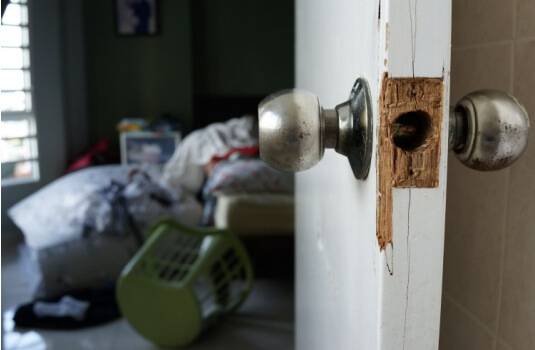
Let’s say you live in Atlanta and your apartment is broken into. The thieves run off with several of your valuables, including a laptop, a TV, and jewelry.
- Total value of the stolen items: $3,200
- Your deductible: $1,000
- Approved claim amount: $3,200
You pay the first $1,000 out of pocket. Your insurance company pays the remaining $2,200.
If the stolen items had only totaled $800, you wouldn’t receive a payout because the loss didn’t exceed your obligated amount. This is why choosing the right amount matters. It needs to fit your situation in every way.
What Are Deductible Limits in Renters Insurance?
It’s important to understand deductibles and limits together so you can make smart coverage decisions.
Your policy guides how your coverage works. Deductibles don’t exist on their own but work with your coverage limits. Limits will cap how much the insurer will pay for a claim.
For example, if your personal property limit is $20,000 and you have a $1,000 deductible, the maximum payout for a covered loss would be $19,000.
Common Deductible Amounts Offered by Insurers
Most renters insurance policies offer deductibles in set increments. Tenants often choose numbers such as $250, $500, $1,000, or $2,500.
You may be able to choose a higher amount, but it may not be advisable. A low deductible means you pay less out of pocket during a claim. If you select a higher number, it lowers your monthly cost, but you have to put out more in an emergency.
How Higher vs. Lower Deductibles Affect Premiums
You may be wondering if it matters whether you choose higher or lower deductibles. When you accept a higher obligation, you get lower monthly premiums but pay higher out-of-pocket costs when you file a claim. It usually works best for renters with plenty of emergency savings.
Lower deductibles mean higher monthly premiums but lower upfront costs during a claim. Renters who want predictability and less financial strain after a loss should choose this option.
The decision boils down to whether they would rather pay a little more now or risk a larger expense later if something goes wrong.
What Is a Good Deductible for Georgia Renters?
Everyone is different and has unique needs. So, there is no standard amount that is considered “good.” But Georgia renters do have some things to think about when deciding how much of an obligation they want to have.
Factors Georgia Renters Should Consider
When choosing deductibles in Georgia, you probably want to consider:
- Unpredictable weather. Georgia renters sometimes deal with severe weather, like storms, tornadoes, and water damage.
- Crime rates in your area. Research what the crime rate is in your neighborhood. This can lead to more theft, which increases the likelihood of filing a claim.
- Your emergency savings. Could you comfortably cover a $1,000 or $2,500 expense if needed?
- Value of your belongings. Take time to assess how much your items are worth. If you have many costly items, then a loss will be more costly. Lower deductibles may offer peace of mind.
- Your monthly budget. Your budget is a big factor in deciding whether you can afford a lower deductible.
Recommended Deductible Ranges for Georgia
You may want to know what the average or recommended ranges are for Georgia renters. This breakdown gives you an idea:
- $250 deductible: Best for renters who want minimal out-of-pocket costs during a claim and are willing to pay higher monthly premiums
- $500 deductible: A popular middle-ground that balances affordability and protection
- $1,000-$2,500 deductible: Ideal for renters looking to lower renters insurance premiums and still get solid coverage
If you’re a first-time renter or don’t have much savings, it might be best to opt for the lower end, reducing financial stress during unexpected events.
How to Choose the Right Renters Insurance Deductible
Choosing the right deductibles isn’t just about getting the cheapest premium you can. You have to consider how much you can take on if you get the unexpected curveball.
Here are practical tips:
- Review your savings. As much as no one wants to think an emergency will happen, you must plan for one. So, choose an amount you could pay tomorrow if needed.
- Compare premium differences. Talk to an experienced agent to look at all the options. Compare the monthly premiums for each alternative. You might be surprised that it’s sometimes not much more per month to get a lower deductible.
- Consider claim likelihood. If you live in an area prone to weather events or crime, it only makes sense to be sure you’re covered.
- Ask about options. Insurers often offer flexibility; don’t assume the default option is best for you.