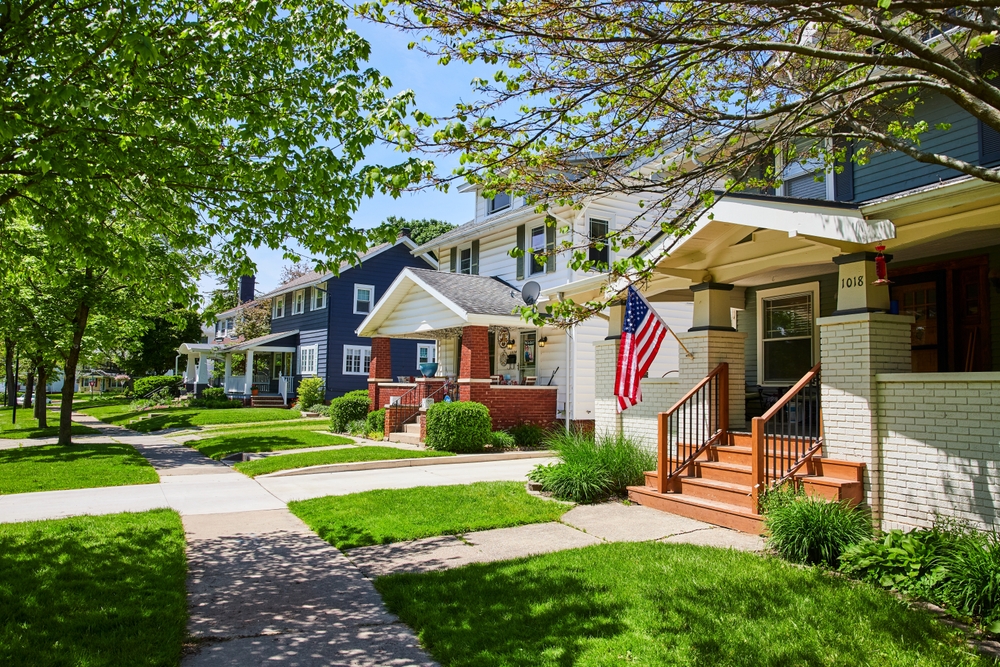
A Georgia townhouse may be insured with an HO-3 homeowners policy or an HO-6 condo policy. The appropriate form depends on how the property is legally structured and what the homeowners association (HOA) master policy covers. Your individual policy may cover the structure or unit interior, personal belongings, liability, and loss of use, depending on the policy.
If you own or are buying a townhouse in Georgia, reviewing the association documents and master policy can help you avoid coverage gaps. This guide explains how townhouse insurance works with HOA coverage, how HO-3 and HO-6 policies differ, and what can affect insurance costs.
Key Takeaways
- Depending on the ownership structure and homeowners association master policy, a townhouse owner may use an HO-3 homeowners policy or an HO-6 condo policy.
- An HOA master policy may cover exterior building components and common areas, while an individual policy can help cover the unit interior, belongings, liability, and loss of use, depending on policy terms.
- Townhouse insurance costs vary based on the policy form, location, property characteristics, deductible, coverage limits, and claims history.
- Before buying coverage, review the association documents and master policy, then compare quotes for the policy form that fits the property.
Townhouse vs. Condo vs. Traditional Home in Georgia
Townhouses sit between a condo and a detached house, but ownership controls the policy form. Many Georgia townhomes are fee simple, meaning the owner may insure the entire structure, land, roof, and exterior. Traditional homeowners policies cover the entire structure of townhouses, and homeowners insurance covers personal belongings and the townhouse structure.
If the property is legally a condominium, the owner may only own “studs-in.” If the HOA maintains the exterior, an HO-6-type condo policy may be needed because condo insurance cover is typically for the interior only. That is where condominium insurance (condo insurance) applies.
Check closing documents, plats, and declarations. A fee-simple Woodstock townhouse may need HO-3 dwelling coverage. A Buckhead condo-townhome may need HO-6 walls-in protection only.
What Your HOA’s Master Policy Typically Covers in Georgia
An HOA master policy insures property the association is responsible for under its governing documents. Depending on the policy, that may include roofs, exterior walls, shared structures, common areas, and association liability.
Ask whether the master policy is bare walls, single entity, or all in, and review exactly what it covers. Also check the master-policy deductible and whether features such as windows, flooring, fixtures, or owner-installed upgrades fall under the association policy or your individual policy.
What Your Own Townhouse Insurance Policy Should Cover
Your individual policy can help cover the parts of the townhouse you’re responsible for, along with your belongings and personal liability, subject to policy terms, limits, and exclusions.
With an HO-3 policy, dwelling coverage may insure the structure itself. With an HO-6 policy, building property coverage can apply to interior features you’re responsible for, such as drywall, cabinets, built-ins, and fixtures. Personal property coverage can help replace belongings after a covered loss.
Personal liability coverage can help with certain legal costs and damages if you’re legally responsible for another person’s injury or property damage.
Loss-of-use coverage may help pay additional living expenses if a covered loss makes the home uninhabitable. Water backup coverage may be available as optional coverage, depending on the insurer. Coverage for fire, smoke, wind, hail, and other events or natural disasters depends on the policy, cause of loss, limits, and exclusions.
How Townhouse Insurance Differs from HOA Coverage
HOA insurance protects the association; your individual insurance coverage protects your unit, belongings, and liability protection.
Example: If hail damages a shared roof and water enters your unit, the HOA master policy may apply to the roof, while your individual policy may apply to covered interior damage. Which policy responds depends on the association documents, policy terms, and cause of loss.
The master policy may not cover your belongings, owner-installed upgrades, or personal liability. Loss assessment coverage may help pay certain assessments charged to unit owners after a covered loss, subject to the policy’s limits and exclusions. It doesn’t automatically cover every HOA assessment or every amount the master policy doesn’t pay.
Average Cost of Townhouse Insurance in Georgia
Premiums vary based on location, property age and construction, claims history, deductible, coverage limits, and whether the townhouse is insured under an HO-3 or HO-6 policy.
An HO-6 policy may cost less than an HO-3 policy because it generally insures less of the building, but actual premiums vary by property and insurer.
Bundling home and auto may qualify you for a multi-policy discount, depending on the carrier and policy combination. Compare the total premium, coverage, and deductibles rather than assuming a bundle will always cost less.

How to Choose the Right Policy and Coverage Limits
Gather the HOA bylaws or declarations, the master policy summary, your closing documents, and any available rebuild estimate. These documents can help show which parts of the property you’re responsible for insuring.
Use a home inventory to estimate how much personal property coverage you may need. Choose liability limits based on your circumstances and the options available from the insurer rather than relying on a one-size-fits-all amount.
Once you know how the property is structured and what the master policy covers, compare quotes for the appropriate policy form.
Townhouse Insurance vs. Condo and Homeowners Insurance
Townhouse insurance isn’t a separate policy form. Depending on the property’s legal structure and the association’s responsibilities, a townhouse may be insured with an HO-3 homeowners policy or an HO-6 condo policy.
- An HO-3 policy may cover the townhouse structure, personal property, liability, and loss of use.
- An HO-6 policy may cover the parts of the unit the owner is responsible for, along with personal property, liability, and loss of use.
- Renters insurance can cover a tenant’s belongings and liability, but it doesn’t insure the building itself.
Actual coverage depends on the policy terms, limits, exclusions, and association documents.
Special Considerations for Georgia Townhouse Owners
Georgia risks include thunderstorms, hail, tornadoes, and coastal storms near Savannah, Brunswick, and St. Simons. Coastal owners should ask if wind or hail has a separate policy deductible.
Flood is usually excluded, so owners near the Chattahoochee River, Savannah River, or low-lying coastal areas may need a separate policy. You can check flood maps through FEMA.
Insurers may consider a property’s roof, electrical system, plumbing, and other building features when pricing or underwriting coverage. Provide accurate information about updates when requesting a quote. Georgia building codes can also affect repair or rebuilding requirements; see the Georgia Department of Community Affairs.