Have you ever opened your mail only to find that your vehicle is being recalled? Your first thought may be, “Is my car safe?” and “What are the next steps?” If you’re like many people who are watching their budget closely, you may question what the car insurance impact will be.
All of these concerns are valid. So, let’s dive in to see what to expect if you get a car manufacturer recall, and remember, you can always call your Southern Harvest agent if you have any questions.
Understanding Vehicle Recalls
The first step in moving forward after you get a notice that your vehicle needs recall repairs is understanding the ins and outs of the process.
What Is a Vehicle Recall and Why Does It Happen?
If you’re unsure what a vehicle recall is or where it originates, it comes from either the car manufacturer or the National Highway Traffic Safety Administration (NHTSA). By collecting information and reports, they have determined that a vehicle, part, or piece of equipment does not meet the safety standards. Additionally, the car you’re driving may be deemed a safety risk. Any time you get one of these in the mail, you can trust that it is sent to protect you and others.
Be sure to pay attention to these messages, as recalls are an essential part of vehicle safety oversight. Respond quickly to the notice so you and your family are safe.
The Difference Between Safety and Non-Safety Recalls
Notices such as these will fall into one of two main categories listed below:
Safety Recalls: These are issued when a vehicle or its equipment is a risk to the driver’s safety. In some cases, it fails to meet federal safety standards. It could involve any one of the vehicle’s critical systems. Manufacturers are required by law to notify owners immediately about the condition and ensure that the owner receives a free repair or replacement.
Non-Safety Recalls: These address non-critical issues. They are problems that don’t directly threaten safety. However, don’t ignore the notice, as it may still affect the vehicle’s overall performance or reliability.
Both types of recalls are essential to address, but auto safety recalls must be acted on immediately because you put yourself at risk if you ignore them. Non-safety recalls are not as critical, but you should still schedule them at your convenience.
Most Common Vehicle Recall Types
Recalls can occur for various reasons. Some address serious safety issues while others involve non-safety concerns, as mentioned above. The most common types are listed below:
- Electrical System Issues: Can cause power loss, lighting malfunctions, or even increase the risk of fire.
- Steering Equipment Failures: May lead to difficulty controlling the vehicle, raising the risk of accidents.
- Airbag Defects: Airbags may deploy improperly — or fail to deploy — during a collision, putting occupants at risk.
- Brake System Malfunctions: Can reduce stopping power and increase the chance of accidents if not repaired quickly.
How a Vehicle Recall Can Impact Your Car Insurance
Are you wondering about the car insurance impact if your vehicle gets recalled? You don’t want to make any of the common mistakes that could raise your car insurance. If you’re like most people who watch their budget, you likely want to keep a close eye on your expenses and insurance premiums.
Does a Recall Change Your Premium?
Most insurance premiums only increase if the driver is at fault for damages. You may also see a rise in your insurance premiums if you receive driving tickets, as this indicates that you are not driving safely. In the case of a recall, it’s not your fault that your car is unsafe. In other words, it was not because of anything you did. However, if you delay getting the repairs taken care of and something happens due to the defect, you could see an increase in premiums. With Georgia having some of the highest rates in the country, you can’t afford to be careless.
How Insurers View Unrepaired Vehicles
If you ignore the notice from the National Highway Traffic Safety Administration (NHTSA) about the need for repairs, you could put yourself and others at risk. Insurance companies will view that behavior as risky and could see it in a negative light, and this could lead to a car insurance impact in the form of higher premiums or limited coverage. Insurers also expect drivers to take care of common maintenance issues to keep rates low. Consequently, your carrier may raise your premiums because the risk of an accident has increased.
What Drivers Should Do After a Recall
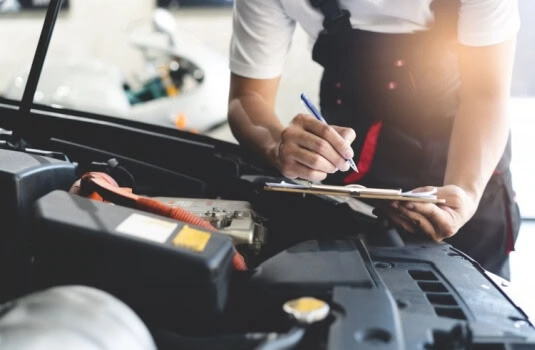
Once you get the notice for a safety or non-safety recall, you need to take steps to correct the situation.
Steps to Take After Receiving a Recall Notice
Vehicle recalls may seem alarming, but you can take the following steps promptly and protect yourself.
Check the Recall Notice: First, read the recall notice thoroughly and carefully. You will find details about what the recall is about. It will specify which parts are affected, the severity of the situation, and whether you are safe to continue driving your vehicle. Also, be sure the Vehicle Identification Number (VIN) on the notice matches your car’s VIN.
Contact a Dealer: After you are sure the recall is in fact for your car, it’s time to reach out to an authorized dealership. Dealers will handle and schedule your recall repairs. You won’t have to pay anything for these repairs because the manufacturer covers them. That includes both parts and labor. When you call, please have your vehicle’s VIN ready.
Keep Records: Maintain all records and documents to verify that the work was completed. Maintaining an electronic paper trail will ensure that you have taken all necessary steps to ensure your car’s safety.
Use the NHTSA Database: Stay up to date on recalls by checking the NHTSA database. When you arrive at the site, simply enter your VIN to check if your vehicle has any outstanding notices quickly. You can even take it a step further and sign up for email alerts.