
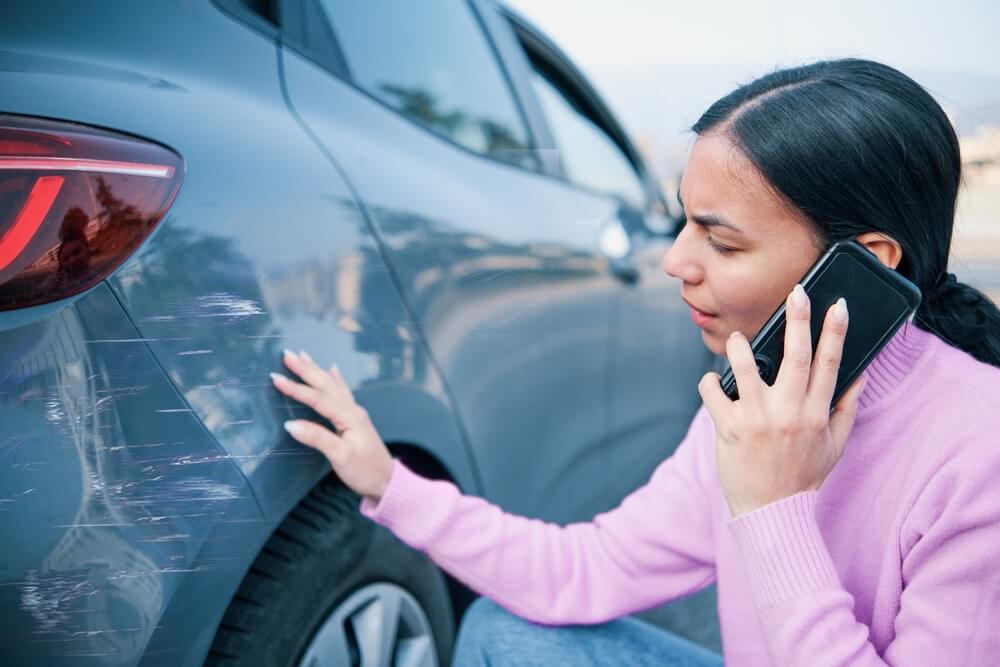
When you’re dealing with a dent, scratch, or old fender bender that’s been there longer than you’d like to admit, it’s normal to wonder: Does auto insurance cover pre-existing car damage? What happens if you clipped a pole in the parking lot several months ago but never got around to fixing it? Or maybe you just bought a used car with a few tell-tale marks already on the bumper. Then suddenly — another accident happens.
Many drivers find themselves in this exact situation. They aren’t sure whether their insurance will help or if that old dent will complicate car insurance claims. Understanding how insurance companies treat pre-existing damage can ease your mind if an accident occurs. You can count on Southern Harvest to be by your side through all your claim needs. Let’s break down how it really works so you know what to expect before you file a claim.
How Pre-Existing Damage Impacts Auto Insurance
Pre-existing car damage can impact how smoothly an insurance claim moves through the process. It can take time for insurers to determine what is new and what was already there. The clearer the difference between old and new issues, the faster and more accurate your claim will be. Even though prior work isn’t covered, it does affect how adjusters evaluate new damage.
What Counts as Pre-existing Damage?
Pre-existing damage is any scratch, broken part, dent, or cosmetic issue that was present on the car before the incident you’re filing a claim for. Remember that nick in the door from a rollaway cart at the store or the ding that occurred on your windshield when a rock flew up on the highway. You may have forgotten about these incidents, but your insurance company won’t. Insurers document the condition of your car each time you make a claim. Anything already there gets labeled as “old damage.” Your auto insurance coverage only pays for harm caused by a new, covered event.
Why Car Insurance Companies Care About It
Insurance companies care about pre-existing issues because it’s important for them to separate what they owe you from what they don’t. They need to be able to identify what is old versus new issues. If they can’t do that, then it becomes difficult to figure out what the accident caused. Adjusters will look closely at repair records, photos, and the age or condition of existing damage. They aren’t trying to be difficult, but just preventing fraudulent claims. That’s why it helps to let your agency know upfront about prior issues.
Does Auto Insurance Cover Pre-Existing Car Damage?
In most cases, the answer is “No”. Auto insurance does not cover damage that was needed before your policy began. You purchase insurance to protect you from new accidents, collisions, or covered events.
What’s Typically Excluded From Car Coverage?
What damage does your insurance cover, or what is one of the insurance policy exclusions you should be aware of? Prior incidents are typically excluded — no matter how small, even if the dent was not your fault (as in the case of someone bumping your vehicle with a shopping cart). You may think that if you carry comprehensive and collision coverage, you should be able to claim all your old incidents if a new accident occurs. You might even think that a little prior scratch in the door won’t cost much more if they are already repairing a big dent in the door from a new accident. However, the past is excluded from current situations.
When Pre-Existing Damage Can Affect Future Claims
Even though old bodywork isn’t covered, it can influence how your future claims are handled. If an insurer can’t easily tell where the old incident ends and the new damage begins, they may slow down your claim while they sort it out — or in some cases, deny part of the repairs. If there are a lot of old damages, it can complicate things. Keep simple notes and photos so you’ll make things easier and less stressful for everyone involved.
When Pre-Existing Damage Is Typically Not Covered
Here is a more thorough breakdown of when pre-existing damage is not typically covered.
New Policies
If you just took out a new auto policy, your insurer will not cover any issues your car already had at the time of enrollment. Insurers only take responsibility for accidents that happen after your coverage begins, which is why many companies require photos or a vehicle inspection when you start a new policy.
Old Damage Contributing to New Damage
If existing issues make a new incident worse — like a previously weakened bumper collapsing after a minor tap — your insurer may only cover the portion directly caused by the new event. This can result in a partial payout.
Lack of Applicable Coverage
Do you know what type of coverage you have and what it will and will not cover when you have a new issue? For example, do you know what full insurance covers and how it differs from liability insurance coverage?
Full car insurance includes liability, collision, and comprehensive insurance. This is a robust package because the liability part only covers damages you cause to others, while collision and comprehensive coverage help you pay for your own damages in crashes, theft, vandalism, and other situations you face every day while driving.
Although having full coverage won’t cover damages that existed before the policy started, it is still very important to have the right insurance. This way, if a new incident occurs, you won’t have to pay for all the necessary repairs out of your own pocket. Be sure to check with an agent to see what you carry and what you need to carry. have the right type of coverage, you will be stuck with paying for the repairs yourself. Be sure to check with an agent to see what you carry and what you need to carry.
Policy Exclusions
Your policy may contain specific exclusions — such as wear and tear, mechanical breakdowns, rust, or cosmetic scratches that don’t affect safety. If the pre-existing damage falls under one of these categories, it won’t be covered, regardless of when it happened.
How to Address Pre-Existing Damage
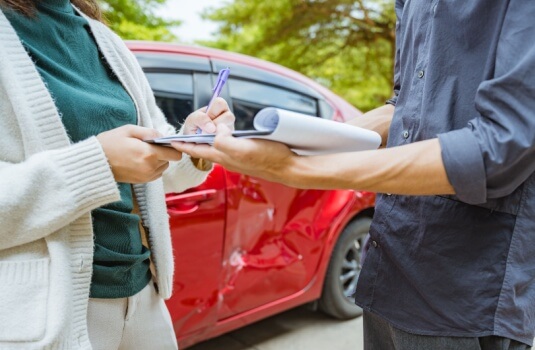
So, what should you do about prior damage? You can make sure things flow smoothly when you have a claim by doing the following.
Document Everything
Documentation is key to covering your vehicle and ensuring things aren’t complicated. You can take clear, dated photos of any existing problems.
Get an Inspection (Georgia Is a Non-CARCO State)
Georgia doesn’t require a CARCO inspection, which records a vehicle’s condition before coverage kicks in. However, getting your own inspection is very helpful because it is a professional record of the condition your vehicle is in.
Repair Vehicle Damage
You gain a lot by fixing small problems as they occur. Why should you allow a minor issue to cause a bigger problem later? The less confusion the adjuster has when assessing your claim, the quicker the process will go.
Be Upfront About the Damage
When you file a claim, be upfront and direct about any issues that existed beforehand. Insurers appreciate transparency, and it prevents delays or disputes later.
Protecting Yourself and Your Vehicle
Everyone wants insurance protection to be there when they need it. So, take steps to protect yourself and your vehicle.
How to Disclose Damage When Buying a Policy
As mentioned above, be straightforward about whatever dents and scratches or other problems you already have. Provide any documentation that you have to make the process smoother.
Steps to Ensure You’re Fully Covered Moving Forward
Take time to review your current policy so you have coverage for the different types of accidents and damage. Speak to an agent about what exactly the protection covers. For example, will you be covered if a deer jumps out in front of you? Or what if a rock spits up from the highway and cracks your windshield?