Driving in the Georgia winter can be a challenge, even for experienced drivers. Snow, ice, and sleet can make roads slick and dangerous, and snowstorms often reduce visibility. Distracted driving is also one of the leading causes of accidents from December through February. Besides taking some enhanced precautions, one good tip for all Georgia motorists is to make sure their auto insurance is up to the task if slippery roads or snow cause a mishap.
In this article, we’ll provide some of our top tips for driving safely this winter. These driving safety tips are essential for wintry weather in Georgia.
Winter Driving in Georgia
We know that unpredictable winter weather in Georgia can turn your regular drive into something a little more adventurous than you bargained for. Freezing temps, sneaky black ice, and those slick roads aren’t everyday guests in the Peach State, which means a lot of us Georgians might not be totally ready when Mother Nature decides to surprise us. That’s exactly why we want to make sure you’re armed with some solid safe driving know-how before the cold weather rolls in.
When winter weather decides to crash the party, we always recommend keeping a nice, safe distance between you and other drivers. This gives you plenty of room to maintain control if someone suddenly hits the brakes or if the roads get slippery. Keep an ice scraper within reach so you can clear off your windshield and mirrors, and make sure your gas tank stays at least half full so you don’t end up stranded out in the cold. Black ice is like that uninvited guest who shows up without warning; it can be nearly invisible, so take it easy out there and avoid any sudden moves that might cause your car to lose its grip. By following these winter driving tips, we’re confident Georgia drivers can help prevent accidents, stay informed, and be safe on the road.
1. Service Your Car Before Winter
As the temperature begins to drop, make sure your car is ready for the cold, as lower temperatures can affect your battery, tire pressure, and other vehicle systems. One way to do this is by getting a winter service. A mechanic will check the condition of your battery, brakes, heating system, and tires during this service. They’ll also top off your windshield wiper fluid and make sure your turn signals are working properly.
Taking these steps now can help you avoid being stranded on the side of the road later. It’s a good idea to get your car serviced before Georgia’s winter hits because it can be more difficult to find a mechanic available during a busy season.
2. Clear Snow and Ice from Your Windshield, Windows, and Mirrors Before Driving
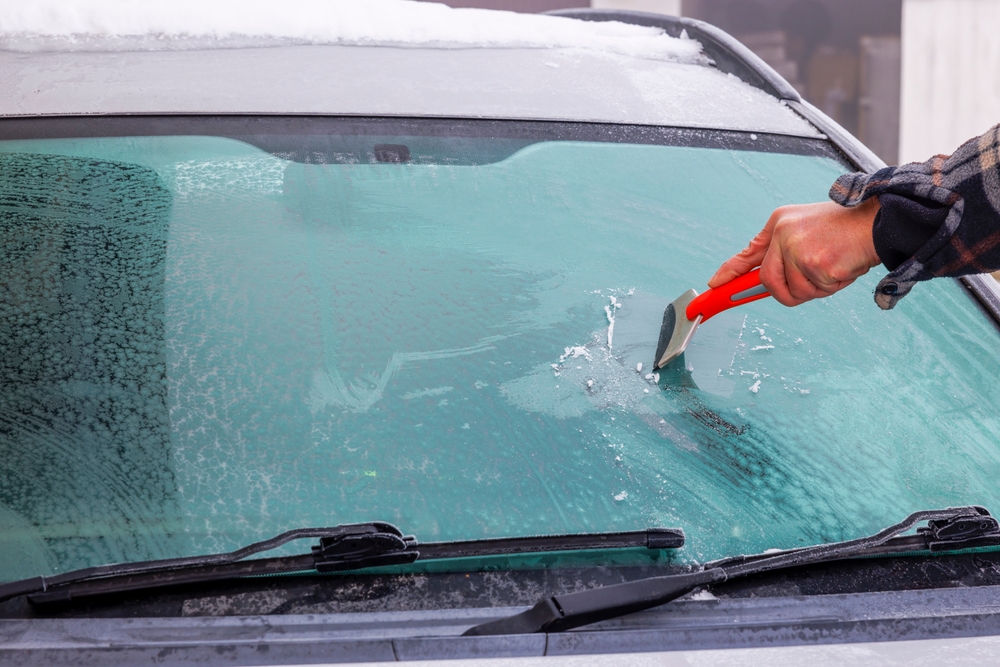
When winter weather hits, take a few extra minutes to clear the snow and ice from all cars, including the windshield, windows, and mirrors, before you start driving. This will help improve your visibility for safer driving and prevent ice and snow from building up on your car’s glass, which can impair your vision even further.
If possible, use a soft brush or cloth to avoid scratching the glass. Start with the windshield first, as this is the most important area of visibility while driving. By taking the time to clear the snow and ice from your car before you hit the road, you can help keep yourself and others safe.
3. Drive Slowly and Carefully on Wet, Slippery Roads
One of the most important things to do in the winter is to stay focused, drive slowly, and carefully. Sudden stops and turns can cause you to lose control of your vehicle, and speeding increases the likelihood of an accident. Always wear a seat belt and obey speed limits in residential areas and school zones, where extra caution is needed to protect pedestrians and children. Also, give yourself extra time to reach your destination, as bad weather conditions can cause delays.
4. Use Your Headlights While Driving in the Winter
In the winter, use your headlights while driving. The days are shorter, and the weather is often more treacherous, so it’s important to make sure you are as visible as possible. Headlights help other drivers see your car, and they also allow you to see the road ahead more clearly.
However, avoid using high beams in foggy or snowy conditions, as they can cause glare and reduce your visibility as well as that of oncoming traffic.
Many states have laws requiring drivers to use their headlights when visibility is low. The Georgia headlight law requires headlights to be on anytime it is raining or when visibility is poor enough that you cannot see a person within 500 feet.
When in doubt, turn on your lights. It could mean the difference between a safe journey and a dangerous one.
5. Watch Out for Black Ice
Black ice forms when water from melting snow or rain freezes on the pavement, creating a thin and nearly invisible layer of ice. When driving on black ice, even a small change in speed or changing lanes can cause a vehicle to lose traction and spin out. To avoid this, be vigilant and aware of signs that black ice may be present. Look for shiny or wet spots on the road and areas where snow has melted but refrozen into ice.
6. Be Extra Cautious When Driving on Bridges and Overpasses
Use extra caution when approaching bridges and overpasses, as these tend to freeze before other parts of the road. This makes them more likely to be areas where you’ll encounter black ice. If you do encounter black ice on a bridge or overpass, try to stay calm and avoid sudden braking or steering. Instead, gently ease off the accelerator and let your vehicle slow down gradually.
7. Don’t Use Cruise Control on Icy Roads or When It Rains
One of the worst things you can do is put your car on cruise control during Georgia’s wet or icy weather. When you’re driving on a slick surface, you’ll need to be able to respond quickly to changes in traction. If your wheels start to slip, you need to be able to ease up on the accelerator and make other adjustments. With cruise control engaged, you lose that flexibility and increase the risk of losing control of your car.
8. Don’t Pass Snowplows or Salt Trucks
In order to keep the roads safe, snowplows and salt trucks operate around the clock. These vehicles need room to do their job effectively, so do not pass them on the road. Passing a snowplow can be extremely dangerous, as the driver may not be able to see your vehicle in the thick of the snow. For your safety and the safety of others, it is best to give snowplows and salt trucks plenty of room on the road.
9. If You’re Stranded in a Snowbank, Stay with Your Car and Call for Help
Stay put rather than trying to walk somewhere for help; it’s too easy to lose your way in a storm. Run the engine sparingly to conserve fuel, but open a window slightly to prevent carbon monoxide poisoning from the exhaust fumes. Keep an emergency kit in your car to help with staying warm and hydrated while you wait.
10. 4-Wheel Drive Does Not Make You Invincible
Drive cautiously, no matter what kind of vehicle you’re in! Even a 4-wheel drive vehicle can get stuck in mud or snow. Drive your 4-wheel drive vehicle the same way you would drive a sedan in these conditions. There’s no use taking chances.
Understanding Your Car’s Winter Safety Features and Technologies
Today’s cars are packed with amazing safety features that can be real lifesavers on icy roads. Your car likely has anti-lock braking systems (ABS), traction control, and electronic stability control, which are like having a safety net that helps you keep steady when things get slippery. We always tell our customers to take a few minutes to flip through that owner’s manual (we know, not the most exciting read!) to understand how these features work and how they can help you during those chilly Georgia winters.
Routine maintenance on your vehicle is essential for keeping you and your loved ones safe. We recommend checking that your tires have good tread and proper air pressure, because cold weather loves to sneak the air right out of those tires. Your battery needs some attention, too, since freezing temperatures can make your car lose battery power and struggle to start the engine. Don’t forget about your windshield wipers and brakes; they’re your best friends when you need to stop quickly on wet roads.
Keep a Safe Following Distance from Other Drivers
We know that winter can make driving feel a bit scary, and we want to help you stay safe out there. One of our top recommendations is keeping plenty of space between you and the car ahead. Sure, in good weather, that three-second rule works great, just leave enough room so it takes about three seconds to reach where that car in front of you just passed. But when winter brings snow, ice, or those slick roads, we suggest bumping that up to five or even six seconds. That extra space will give you the time you need if the car ahead has to slam on the brakes or starts sliding around.
Keep your focus sharp, put your phone away, and always stay alert to what’s happening around you, other drivers, folks walking around, and those constantly changing road conditions. By following our driving tips and giving yourself that safe cushion of space, we’re confident our Georgia drivers can cut down on accidents and have a much safer driving experience.