You finally find a car online that is just what you wanted. The price is right, the photos have your attention, but do you need test drive car insurance before taking it for a spin? You can just imagine being at the car’s location and the owner holding the keys while the seller says, “Go ahead, take it around the block.”
Then a thought hits you: Wait … what happens if something goes wrong? Do I need insurance to test drive a car, or temporary car insurance?
These are not exactly the questions most people want to ask in that moment, but it’s an important one. Many drivers assume they are automatically covered if anything goes wrong during a test drive. They don’t consider that they might need test drive car insurance. Coverage during a test drive can get a little tricky, and misunderstandings can lead to unexpected costs if an accident happens.
Before you get behind the wheel, it helps to understand how things work in this situation. Find out who is financially responsible if something goes wrong. What steps do you need to take to stay protected? Southern Harvest is here to guide you through the ins and outs of test drive car insurance so you know where you stand financially before taking a car for a spin.
Auto Insurance Coverage During a Test Drive
When you take a dealer’s vehicle for a spin, insurance coverage generally follows the car first and the driver second. This means the policy attached to the vehicle is typically considered the primary coverage, while your own auto policy (if you have it) may step in to serve as secondary protection.
Let’s break down what these two coverages imply in the case of an accident. Primary coverage will shell out for damages or injuries first, up to the limits of the policy. Secondary coverage may be able to help if there are any extra costs, but that depends on your policy terms.
However, the order of protection can vary depending on the situation. Whether the vehicle belongs to a dealership or a private individual will be a determining factor in which policy applies first.
It’s also helpful to know what types of coverage will be a factor during a test drive. Liability protection consists of payment for injuries or property damage you cause to others. Collision or comprehensive applies to damage to the vehicle itself.
The other thing to keep in mind is that even if the car has collision coverage, you still would have to pay the deductible. These are often higher when on dealer policies. Policy limits can also result in you having to pay out of pocket if the damages exceed the limits.
Insurance Coverage When Test Driving at a Dealership
If you test drive a car at a dealership and an accident occurs, the protocol is usually straightforward.
Dealership Insurance Comes First
Most licensed dealerships will have a commercial policy that covers all their inventory, including test drives. Many times, the dealer’s insurance is the primary coverage if something happens during a test drive.
It will likely include liability protection for bodily injury and property damage caused to others. However, dealerships may carry high deductibles or limited coverage for vehicle damage. That means you could still be responsible for some costs.
How Your Personal Auto Policy May Apply
Many personal auto policies will include coverage when you take a dealer’s vehicle for a spin or some other very short-term drive. If that’s the case, your policy may be the secondary coverage, defraying costs that go beyond what the dealership will pay. Of course, coverages and policies vary from person to person, including what make and model your policy is for. So, it’s best to consult with an advisor to find out the specifics.
What to Know About Longer or Overnight Test Drives
In some situations, you may take a car for an extended test drive. Some dealerships may allow you to keep a vehicle overnight or for several days. This may give you an idea of how reliable and safe the car is. But it can also directly affect how the policy applies.
Since you would have the vehicle for a longer period, dealerships may put more of the responsibility on the driver. They may require you to show that you have valid coverage that will take care of any damages. This is the time to check into temporary car insurance.
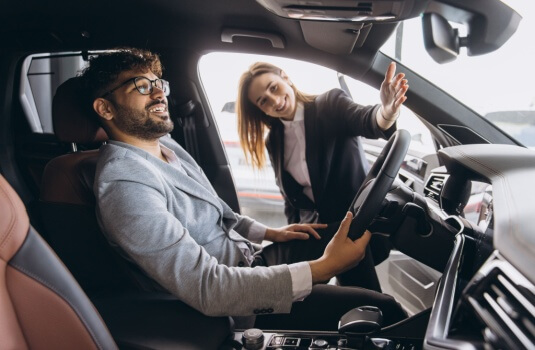
Test Driving a Car From a Private Seller
If you decide to buy from a private party, things can be a bit more complicated. Obviously, private sellers won’t have commercial policies for drivers who test drive their vehicles. So, what does happen in this scenario?
The Seller’s Car Insurance Is Usually the First Line of Coverage
In most cases, the policy follows the vehicle, which means the seller’s policy is the primary coverage. If an accident occurs, the coverage may be limited. If you are at fault, the insurer may pursue you for damages.
Some private sellers may not even want people to test drive their vehicles unless the buyer can prove they have their own policy.
Confirm Auto Coverage Before Driving
Any time you test drive a privately owned car, make sure you check with the seller that they have an active policy on the vehicle. You want to check the status of the seller’s insurance. If the car is uninsured, you could be financially responsible for damages and injuries if an accident occurs.
Also, take a few minutes to contact your provider and get the details about what your current auto policy covers. You may be able to get temporary car insurance or extended coverage when driving a car for a short time.
Why Having Your Own Insurance Is a Smart Move
Even if the seller’s insurance is in place, you don’t want to rely on it totally. That could be risky. They may not have high policy limits, which means you’d be responsible for costs that exceed the limits.
When you have your own coverage in place, you have an extra layer of protection — peace of mind. It’s a smart move to maintain an active policy when you are shopping for your next vehicle.
Temporary or Short-Term Insurance Options
If you don’t currently have an auto policy, you could purchase temporary car insurance before going on the drive.
Check into a short-term policy, non-owner policy, or coverage that can be activated quickly. These options can provide liability protection while you test drive or borrow vehicles.
Key Car Insurance Requirements Before Any Test Drive
By contacting your insurer before even starting the journey of test driving, you can avoid risk. Be proactive and confirm whether your policy extends to test drive car insurance.
Make sure you have proof of coverage handy on your phone or in your wallet. Being prepared not only protects you financially but also signals that you’re a serious and responsible buyer. It only takes a few minutes to confirm coverage details, and it can save you headaches later.
Before taking any vehicle for a trial, consider these important steps:
- Bring a valid driver’s license.
- Ask whether the vehicle is insured.
- Verify your own policy applies.
- Confirm who provides primary vs. secondary coverage.
- Understand deductibles and liability limits.
- Ask about coverage changes for extended test drives.
Remember, even a short drive carries risk. Ensuring proper coverage protects both you and the vehicle owner.